

Bracesmetal, ceramic and lingual
Braces move teeth into their planned position with brackets bonded to the teeth and a wire passing through them. They are fixed, so there is nothing to take in and out.
We offer metal, tooth-coloured ceramic and lingual brackets bonded to the back of the teeth. Which option suits you is decided at the examination.
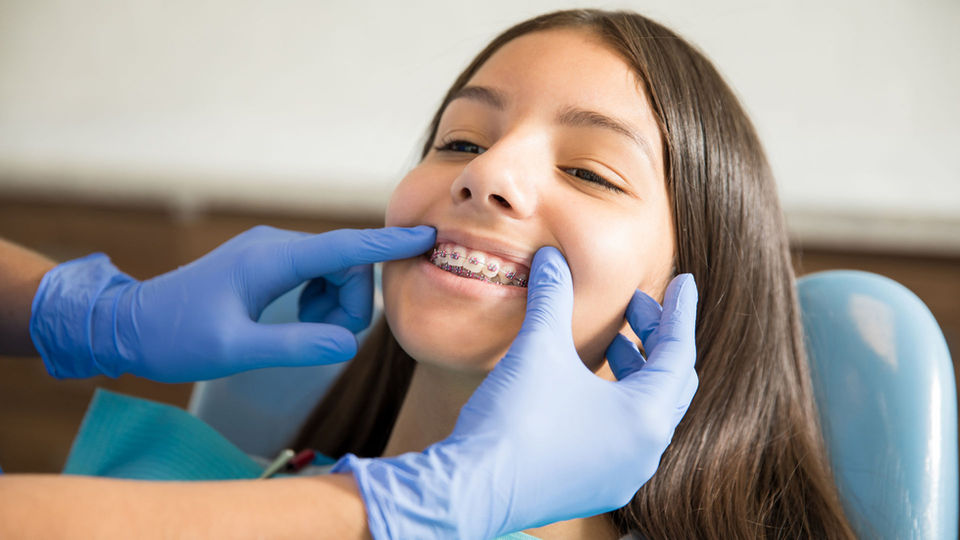
Who is it for?
Braces are used for a wide range of orthodontic problems, from simple to complex:
Whether it suits you is decided after an examination.
How do braces move teeth?
A bracket is bonded to each tooth and the wire runs through them. As the wire tries to return to its original straight shape, it gently brings the teeth into line together.
Animation is illustrative; every patient’s plan and timeline is different.
Treatment step by step
- Examination and recordsScans, X-rays and photos record your teeth and jaw relationship.
- Treatment planBracket type, duration and stages are discussed with you.
- Fitting the bracketsBrackets are bonded and the wire is placed. It is not painful and takes about an hour.
- Check-upsThe wire is adjusted or changed at the clinic every 4–6 weeks.
- Removal and retentionBrackets are removed, and a retainer or bonded wire keeps teeth in place.
Duration depends on your teeth and on attending check-ups regularly.
Which bracket suits you?
| Metal | Ceramic | Lingual | |
|---|---|---|---|
| Visibility | Visible | Tooth-coloured, less noticeable | Behind the teeth, not visible from outside |
| Durability | High | High | High |
| Getting used to | Quick | Quick | Longer adjustment for tongue and speech |
| Suitable cases | All cases | Most cases | Most cases |
Braces fees
Our fees follow the tariff of the Turkish Dental Association (TDB). The exact fee is given to you in writing after the examination.
- Bracket type: metal, ceramic or lingual
- Duration: depends on case difficulty
- One or both arches: scope of treatment
Frequently asked questions
A short introduction to our clinic.
Does fitting braces hurt?
No pain is expected during fitting. Teeth may feel pressure for a few days at first and after check-ups.
What age are braces for?
There is no upper age limit for orthodontics. For children, a first orthodontic check-up is recommended around age 7.
What can’t I eat with braces?
Hard (nuts, ice), sticky (gum, caramel) and bite-into foods can loosen brackets; cut food into small pieces.
What if a bracket comes off?
Call the clinic. It is not an emergency; it is re-bonded at your next visit or sooner.
What are lingual braces?
Braces whose brackets are bonded to the back surface of the teeth, so they are not visible from outside.
Braces or Invisalign?
Both straighten teeth. Which suits you depends on your case and lifestyle and is decided at the examination.
Which bracket is right for your teeth?
Let’s discuss your options and timeline at the examination.