
Angle classification
In orthodontics the bite is divided into three classes by the relation of the upper and lower first molars. In Class I the jaw relation is balanced and the problem is in tooth alignment. In Class II the upper jaw and teeth are forward relative to the lower jaw. In Class III the lower jaw or lower teeth are forward.
Deep bite
The upper front teeth overlap the lower front teeth too much when the mouth is closed. The lower teeth may touch the palate, and wear and gum problems can occur at the front. It is treated with braces or clear aligners, with bite-opening appliances when needed.
Open bite
The front teeth do not meet when the back teeth are closed. Biting becomes harder and some sounds may be affected. Thumb sucking and tongue thrusting are common causes; treatment combines breaking the habit with orthodontic treatment.
Crossbite
Some upper teeth sit inside the lower teeth. It can affect a single tooth or the side regions. In children a narrow upper jaw is a common cause and is treated early with palatal expanders.
Underbite (lower jaw forward)
The lower front teeth close in front of the upper front teeth (Class III). In children, jaw growth can be guided early with appliances; in adults with a marked skeletal difference, jaw surgery together with orthodontics may be needed.
Protruding upper teeth
The upper front teeth stick out clearly (Class II). The risk of breaking them in falls and knocks is higher. Functional appliances are used during growth, braces or clear aligners afterwards.
Crowding and gaps
When teeth do not fit in the jaw and overlap, it is called crowding; spaces between teeth are called gaps (diastema). Mild cases are corrected with clear aligners, more marked cases with braces.
When should it be treated?
For problems that affect jaw growth, such as cross and underbite, early treatment has advantages, which is why a first orthodontic check is recommended at age 7. Bite problems can also be treated in adults.
Frequently asked questions
Does a bite problem correct itself?
Usually not; problems affecting jaw growth tend to become more marked over time.
Is a deep bite harmful?
It can cause front tooth wear, gum problems and strain on the jaw joint; treatment is recommended.
Can an underbite be corrected without surgery?
In children and in cases caused by the teeth, often yes. In adults with a marked skeletal difference, surgery may be needed.
What causes an open bite?
Thumb sucking, dummies, tongue thrusting and inherited jaw shape are common causes.
How do I know which bite type I have?
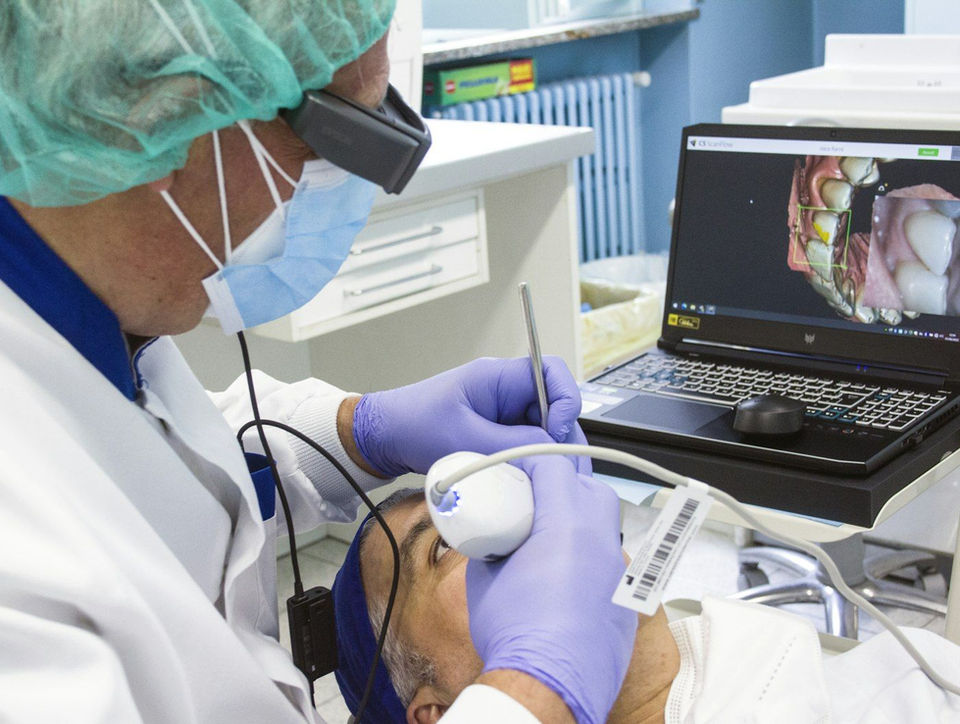
A definite diagnosis is made with an examination, X-rays and a digital scan.
Can bite problems be corrected with clear aligners?
In many cases yes; suitability is decided in the digital plan.