
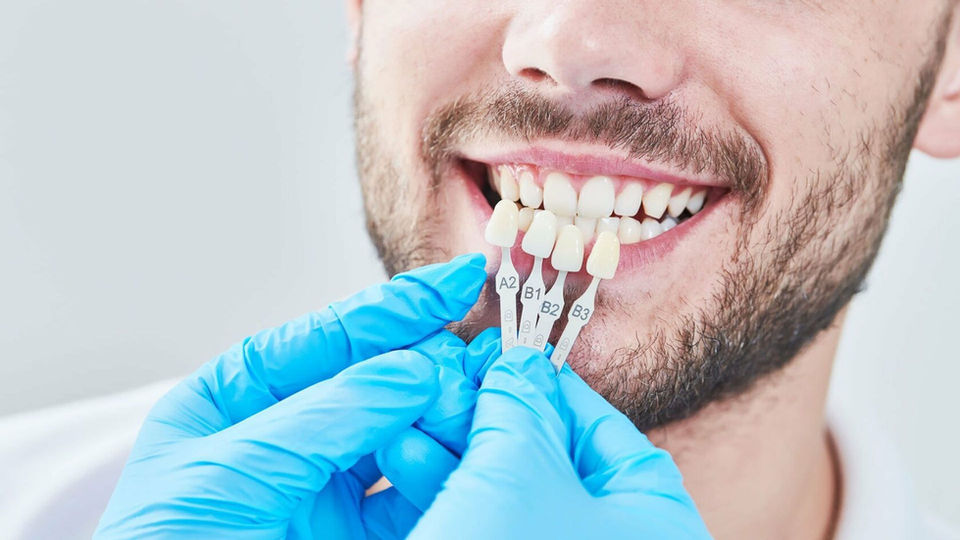
What is zirconia?
Zirconia (zirconium dioxide) is a very hard, biocompatible white ceramic used for crowns and bridges. Because it has no metal framework, it leaves no dark line at the gum edge and lets light through much like a natural tooth.
Who is it for?
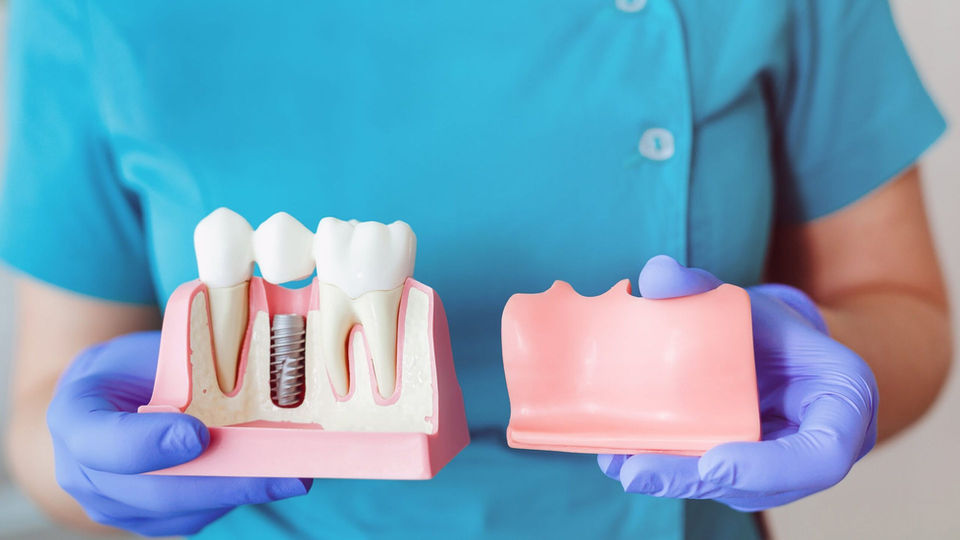
It is used for teeth with large fillings or fractures, teeth that need strengthening after root canal treatment, teeth whose colour or shape problems are too marked for veneers, and bridges replacing missing teeth. It can also be used as a crown on an implant.
How is it different from a veneer?
A zirconia crown covers all surfaces of the tooth, so more tooth reduction is needed. A veneer is a thin shell bonded only to the front surface. If the tooth is sound and the issue is only the colour or shape of the front surface, a veneer is preferred; if the tooth is weakened, zirconia.
How is it done?
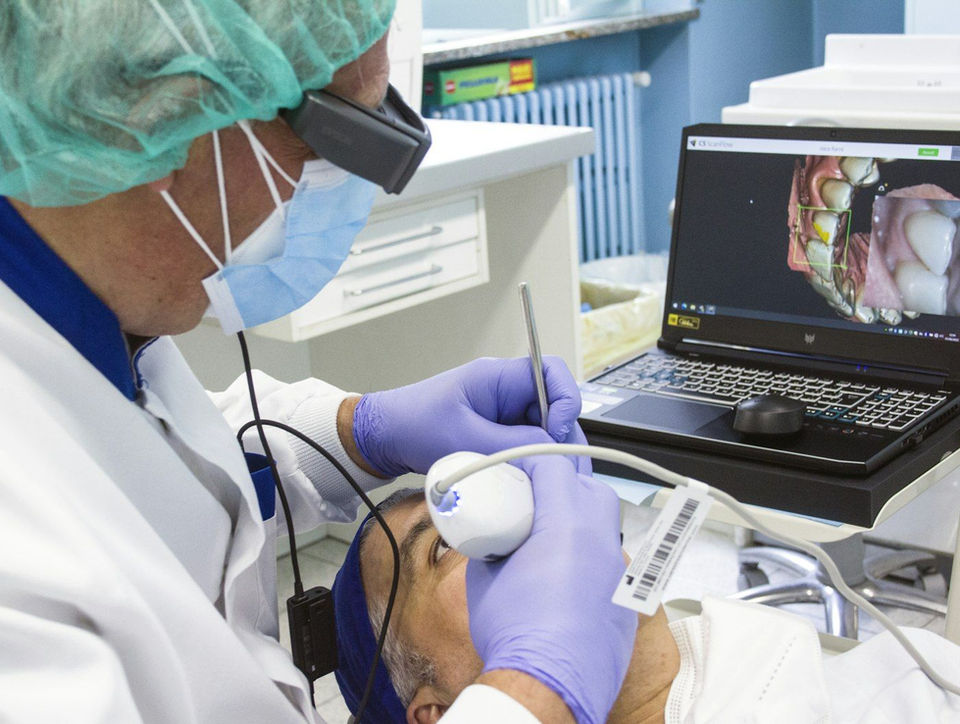
After the examination and X-rays the teeth are prepared for the crowns. The impression is taken with an intraoral scanner (iTero) and temporary crowns are fitted. When the crowns are ready they are tried in, and after checking colour and fit they are cemented permanently.
How many visits?
For a single tooth 2–3 visits are usually enough. In smile makeovers with many teeth, the try-ins make it take a little longer. Root canal treatment or gum contouring, if needed, is completed before the crowns.
How long do they last?
With good oral care and regular check-ups, zirconia crowns are used for many years. The tooth under the crown can still decay, so a toothbrush, floss or interdental brushes and six-monthly check-ups matter. A night guard is recommended for people who clench.
Cost
The exact fee is given in writing after the examination and planning.
After the crown
There may be hot and cold sensitivity in the first days that passes within a few days. You can eat normally with crowns; avoiding biting very hard objects (seeds, ice) helps them last longer.
Frequently asked questions
Do zirconia crowns look natural?
Yes. With no metal inside, they let light through much like a natural tooth; the shade is chosen to match the neighbouring teeth.
Do teeth need to be reduced for zirconia?
Yes, some reduction from all surfaces is needed for the crown to fit. The amount is planned according to the tooth and the type of crown.
Are zirconia crowns painful?
Tooth preparation is done under local anaesthesia; no pain is felt during the procedure.
Can zirconia break?
It is very durable, but biting hard objects or clenching at night increases the risk. A night guard is recommended for people who clench.
Zirconia or porcelain veneers?
If the tooth is sound and the issue is only the colour or shape of the front surface, veneers; if the tooth is weak, heavily filled or broken, zirconia. The decision is made at the examination.