
What is a veneer?
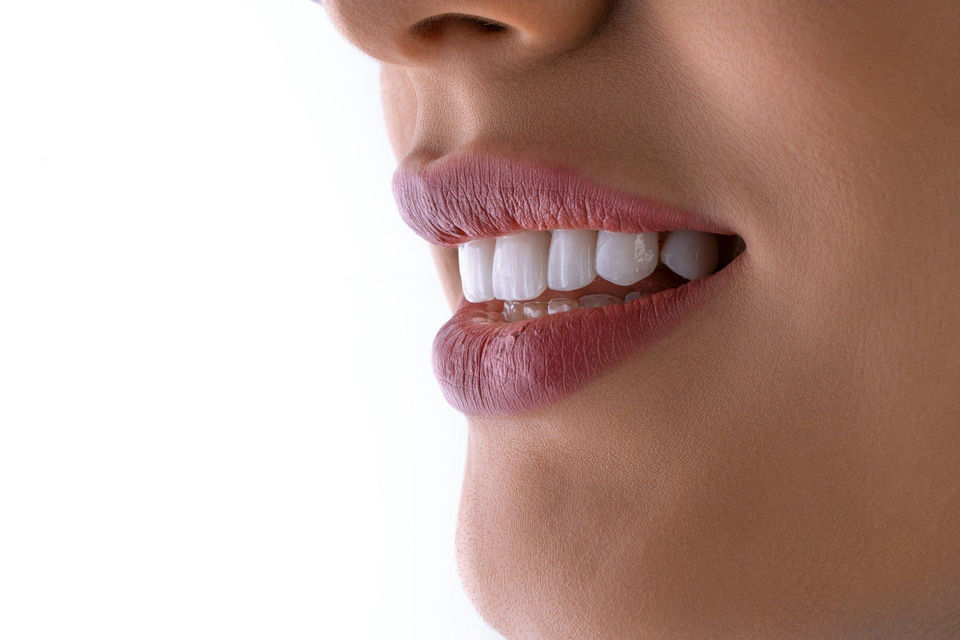
A veneer is a thin shell covering the visible front surface of a tooth. Porcelain (ceramic) veneers are made in a laboratory; composite veneers are shaped directly on the tooth at the clinic. Porcelain veneers stand out for colour stability and natural lustre.
Who are they for?
They are used for discolouration that does not respond to whitening, small or misshapen teeth, small gaps between front teeth, chipped edges and worn front teeth. The teeth must be sound, the gums healthy and the bite suitable.
Who are they not for?
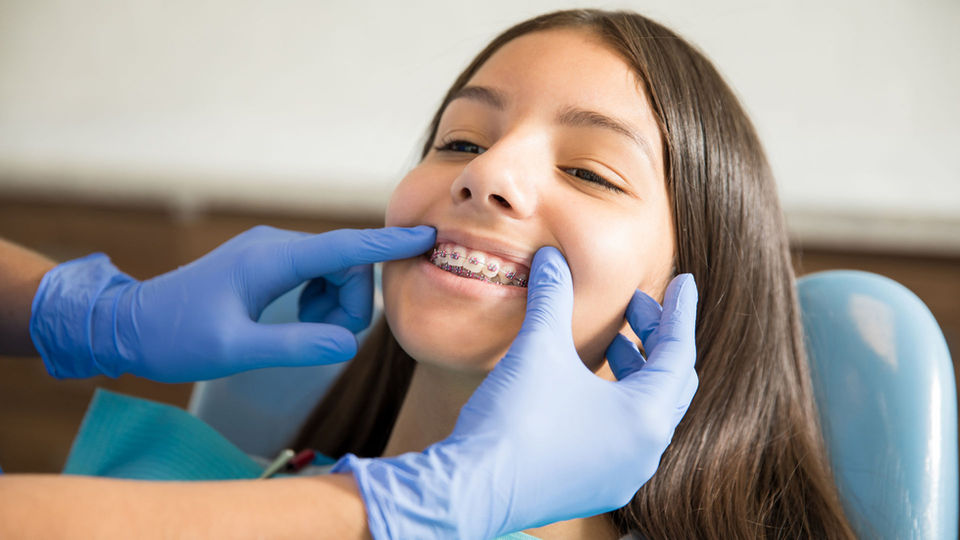
With marked crowding or a bite problem, orthodontics (braces or Invisalign) is considered first. For heavily filled or weak teeth a zirconia crown may suit better. People who clench heavily should protect veneers with a night guard.
Is the tooth reduced?
For porcelain veneers usually only about half a millimetre of enamel is removed from the front surface; in some cases little or no reduction is enough. The amount is set in the digital smile design.
Steps
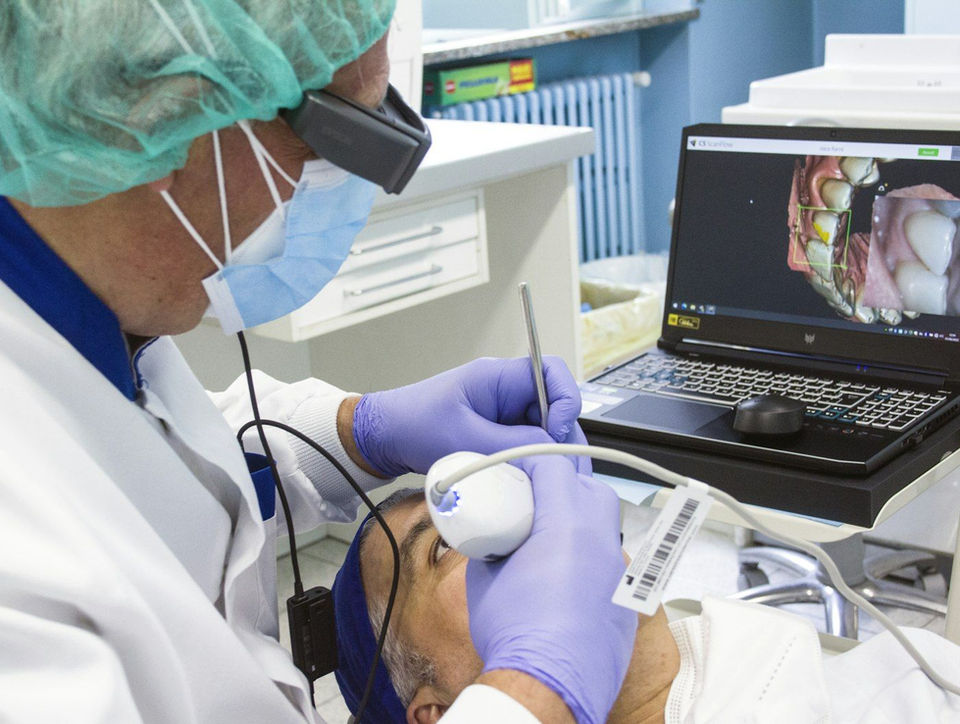
First a smile analysis and digital design are made; you can see the result in your mouth with a mock-up. The teeth are prepared, a digital impression is taken and temporary veneers are fitted. When the porcelain veneers are ready they are tried in and bonded permanently with your approval.
Compared with composite veneers
Composite veneers are made in one visit at the clinic and cost less; they can discolour over time and may need polishing. Porcelain veneers are made in a laboratory and keep their colour and lustre for many years.
Cost
The exact fee is given in writing after the examination and planning.
Care
Veneers are brushed and flossed like natural teeth. Not biting hard objects with the front teeth, wearing a night guard if you clench and six-monthly check-ups are important.
Frequently asked questions
How long do porcelain veneers last?
With good care and regular check-ups they are used for many years. Their lifespan depends on oral care, clenching and eating habits.
Do veneers damage the teeth?
When planned correctly only a very small amount of enamel is removed; the tooth stays vital.
Are teeth sensitive after veneers?
There may be mild sensitivity for a few days; it usually passes on its own.
How many teeth need veneers?
It is planned according to how many teeth show when you smile; for most people 6–10 upper teeth are enough.
Veneers or zirconia?
If the tooth is sound and the issue is on the front surface, veneers; if the tooth is weak or has a large filling, zirconia.
Can veneers be whitened?
No, porcelain does not lighten with whitening. So if you wish, the other teeth are whitened before veneers and the shade is chosen accordingly.