

Why adults choose orthodontics
Crowded teeth are hard to clean, which raises the risk of decay and gum disease. Bite problems can wear teeth down and load the jaw joint. Teeth may also have shifted after treatment in childhood.
Options for adults
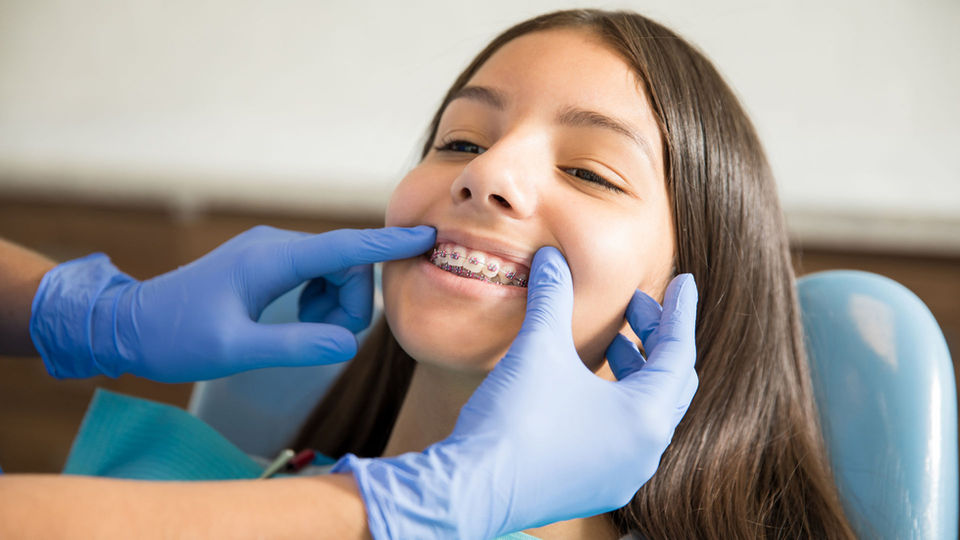
Clear aligners (Invisalign), ceramic braces, metal braces and lingual braces are the main options. The choice is made together, based on the problem, how visible you mind the treatment being, and your daily life.
Gum and bone health
Gums and bone are assessed before treatment, and any gum inflammation is treated first. Planning tooth movement within the bone limits reduces the risk of gum recession.
Orthodontics before implants, crowns or veneers
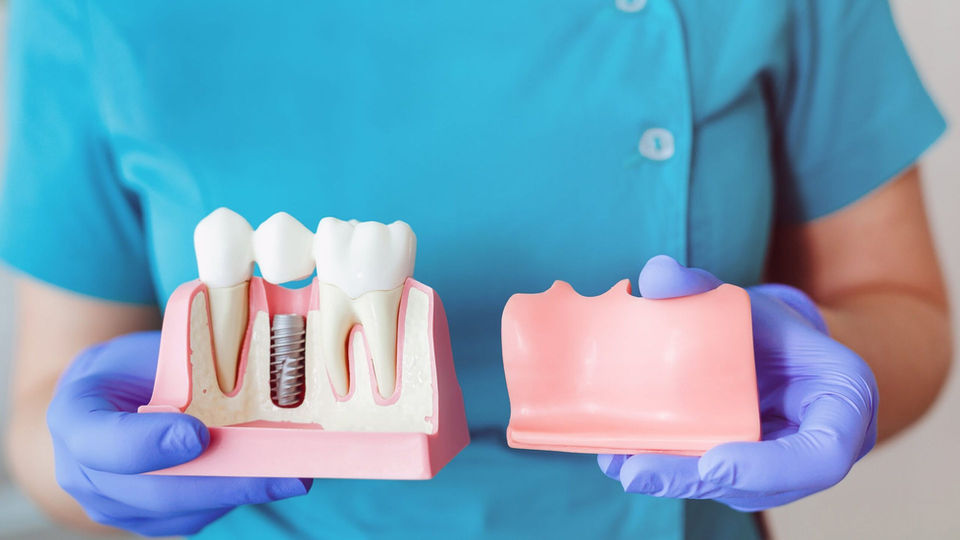
If teeth have drifted into a gap, space may need to be reopened for an implant. Aligning crowded teeth first can preserve tooth tissue that veneers would otherwise remove. These treatments are planned together across our departments.
Duration and check-ups
In adults treatment may take from a few months up to about two years. Bone may respond a little more slowly than in teenagers, so regular check-ups matter.
When jaw surgery is needed
With a marked skeletal difference between the jaws, orthodontics may be combined with jaw surgery. In that case orthodontic preparation and finishing are done at our polyclinic, and the surgical stage is carried out in a hospital by a jaw surgeon.
Frequently asked questions
Can I have braces after 40?
Yes. Gum and bone health matter, not age.
Does treatment take longer for adults?
Sometimes a little; the duration is planned for each case.
I do not want braces to show at work. What can I do?
Clear aligners or lingual braces behind the teeth are hard to notice.
Will my teeth move again afterwards?
Not if the retainer is worn as advised.