
How many baby teeth?
There are 10 in each jaw, 20 in total: 4 incisors, 2 canines and 4 molars per jaw. There are 32 permanent teeth including wisdom teeth.
Order of losing baby teeth
In most children the change happens roughly in this order:
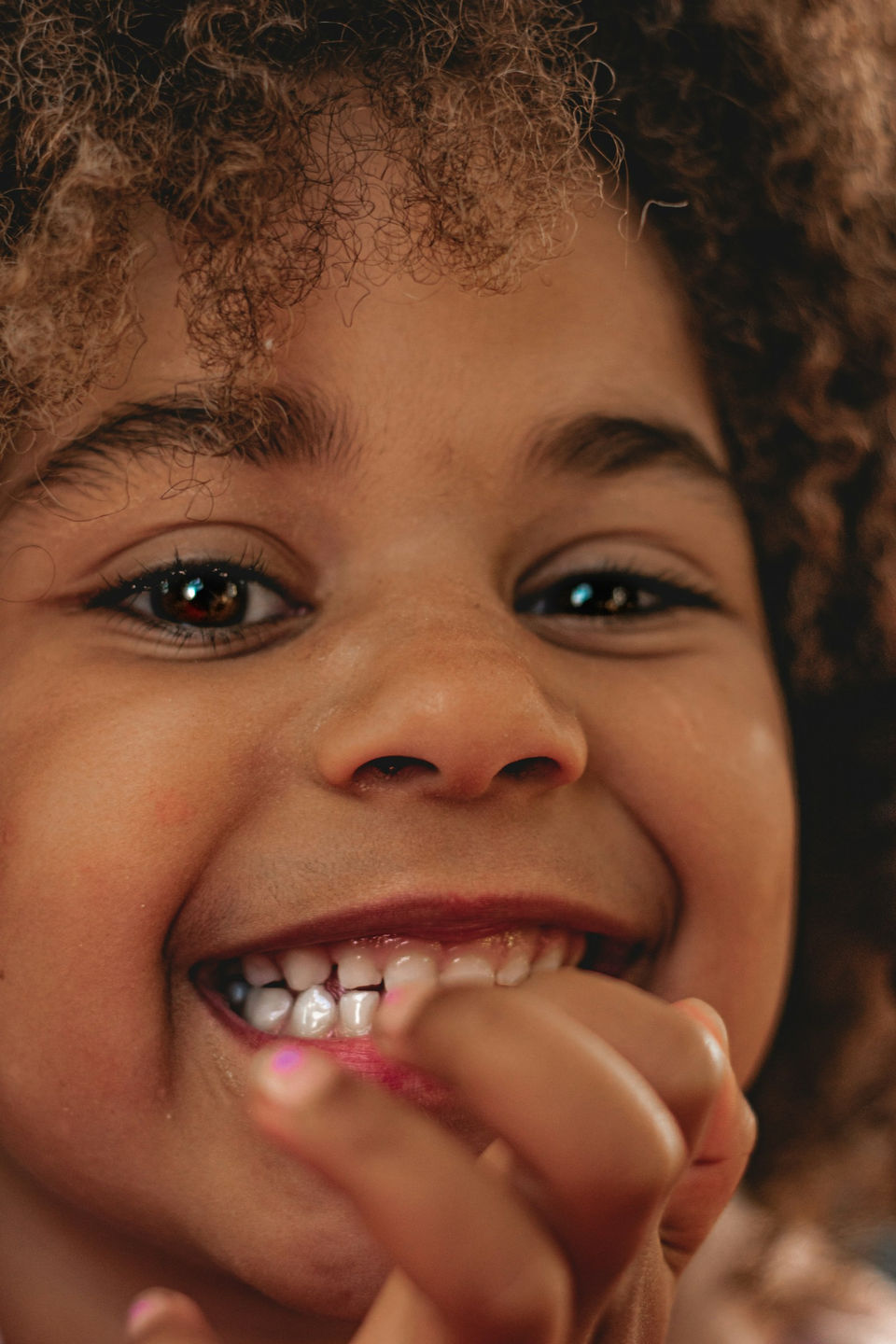
- Lower central incisors: age 6–7
- Upper central incisors: age 6–8
- Lateral incisors: age 7–8
- First molars: age 9–11
- Canines: age 9–12
- Second molars: age 10–12
The 6-year molar
The tooth that appears behind the last baby molar around age 6 is the first permanent molar (6-year molar). As it does not replace any baby tooth, it is often mistaken for a baby tooth, but it is permanent and will be used for life. Its deep chewing grooves are prone to decay, so a fissure sealant can be applied.
A permanent tooth coming in behind a baby tooth
In the lower front area, the permanent tooth often comes in behind the baby tooth (on the tongue side). If the baby tooth is loose, it usually falls out within a few weeks and the tongue pushes the permanent tooth forward. If the baby tooth is not loose or has not fallen out after 2–3 months, the dentist may remove it.
A baby tooth that does not fall out
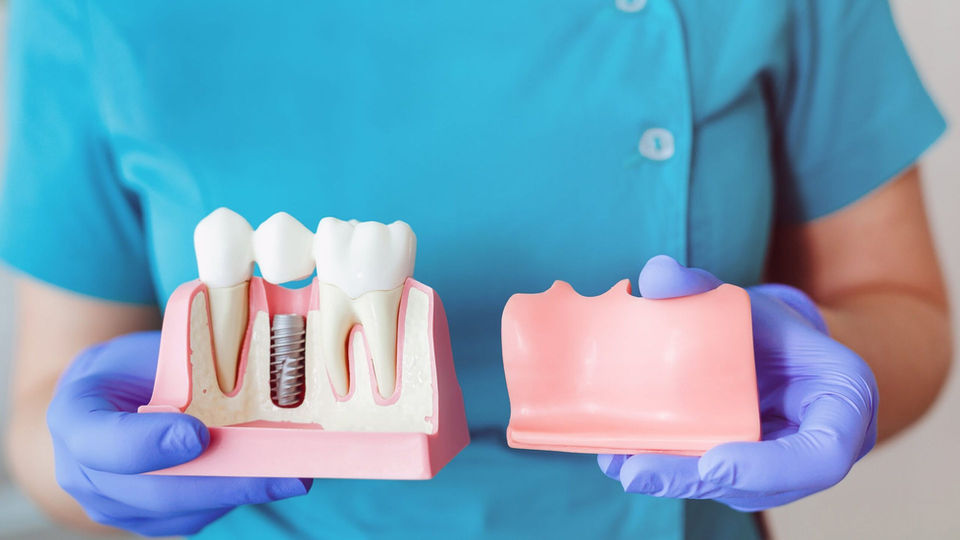
Sometimes a baby tooth does not fall out on time; if there is no permanent tooth bud underneath, it may stay for years. This is seen on an X-ray and the plan (keeping the baby tooth, or later an implant, bridge or orthodontics) is made accordingly.
Why does decay in baby teeth matter?
Baby teeth hold space for permanent teeth. If a baby tooth is lost early to decay, neighbouring teeth can drift into the space and the permanent tooth may come in crooked; a space maintainer is then used. A first orthodontic check is recommended around age 7.
 BABY TEETHTeething symptoms and what a teething baby's gums look like
 GUIDEWhich teeth get fissure sealants?