
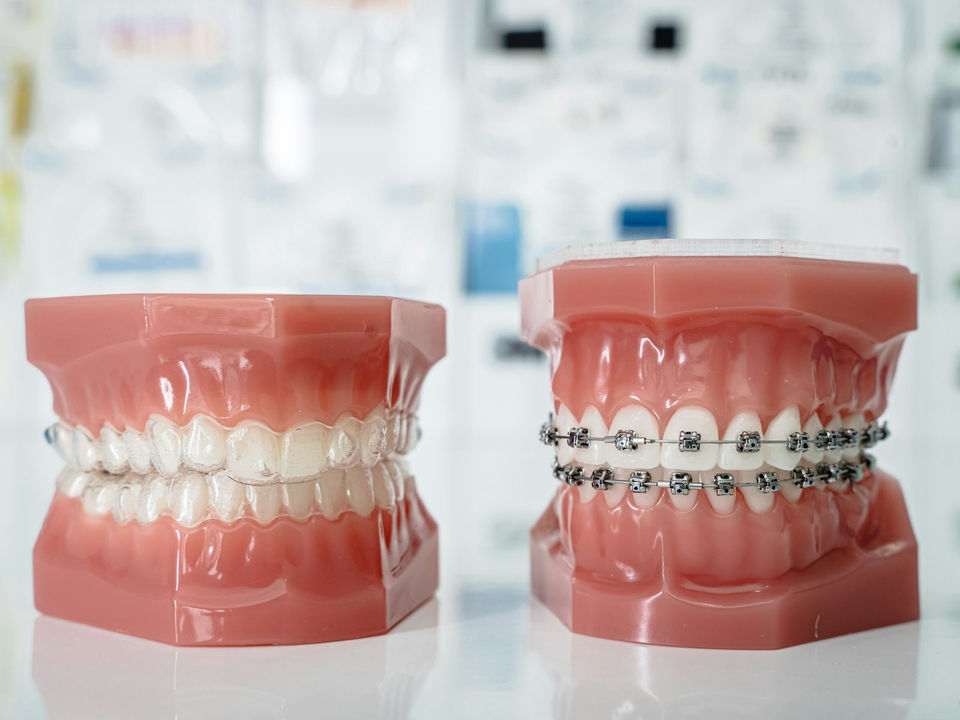
1. Crossbite
If some upper teeth sit inside the lower teeth when your child closes their mouth, the upper jaw may be narrow.
2. Crowding
If there are no gaps at all between the baby teeth, or permanent teeth overlap as they come in, the jaw may lack space.
3. A narrow, high palate
A deep, narrow-looking palate and dark spaces at the sides of the mouth when smiling are among the signs of a narrow upper jaw.
4. Mouth breathing
In children who sleep with their mouth open and breathe through the mouth all the time, upper jaw development can be affected. The nasal airway should also be assessed by an ENT doctor.
5. The jaw shifting to one side
If the lower jaw slides to one side as the mouth closes, it may be adapting to a narrow upper jaw.
What should I do?
If you notice any of these signs, book an orthodontic check. While the child is growing, usually between 7 and 12, the upper jaw can be widened easily with an expander.
 GUIDEHow to turn a palatal expander screw
 ADULTSMARPE: palatal expansion for adults