How does digital (computer-controlled) anaesthesia work?
Technology4 min readUpdated: November 14, 2026Funda Sarıkaya
IN SHORT
With digital anaesthesia, the anaesthetic is delivered slowly and at a steady rate by a computer-controlled device. The aim is to reduce the pressure and discomfort felt during numbing.
How it differs from a conventional injection
With a conventional syringe the speed is controlled by hand. The digital device constantly adjusts pressure and speed for a more even flow into the tissue.
What does it feel like?
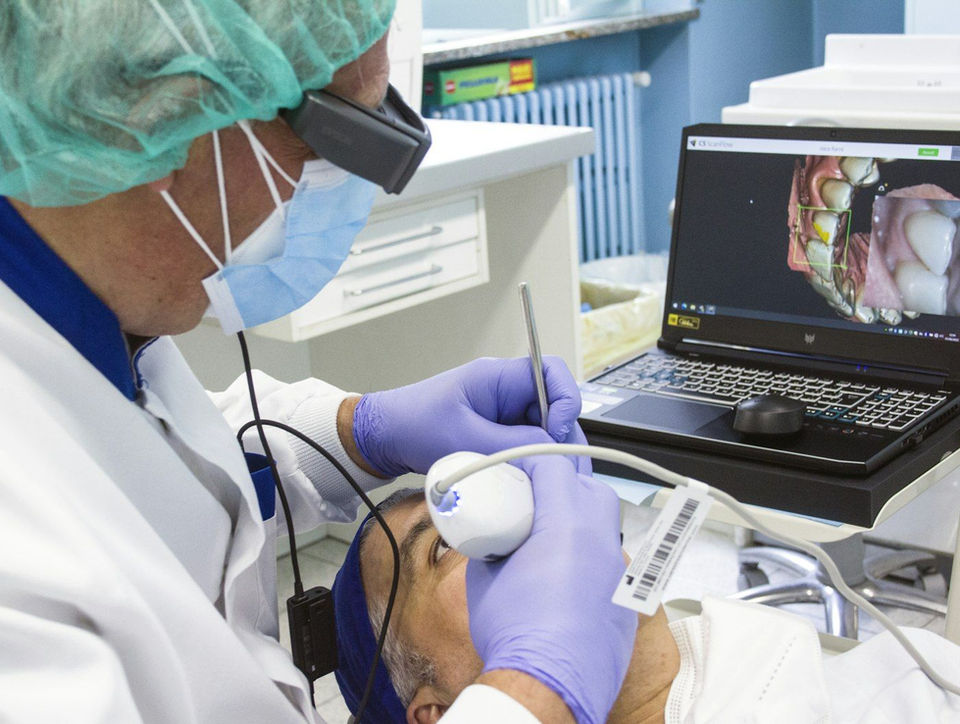
A pen-like tip is placed on the gum. Because the anaesthetic flows slowly, there may be less pressure. A surface numbing gel can also be used first.
Which treatments?
It is often used for:
Root canal treatment and fillings
Scaling and curettage
Children's dental treatment
Minor surgical procedures
Who benefits most?
It can make numbing more comfortable for people who fear needles and for children.
A slight sensation is possible; the aim is to reduce discomfort.
Does numbness wear off sooner?
It can vary with the technique used.
Is it used for children?
Yes; it is often preferred in children's treatment.
This article is for general information and does not replace an examination, diagnosis or treatment. The right treatment can only be decided after an examination by a dentist.
Park Oran Ofis No:70, Kudüs Cd. No:1 D:21 Oran, Çankaya / Ankara, Türkiye Monday–Saturday, 09:00–19:30
How does digital (computer-controlled) anaesthesia work?
Technology4 min readUpdated: November 14, 2026Funda Sarıkaya
IN SHORT
With digital anaesthesia, the anaesthetic is delivered slowly and at a steady rate by a computer-controlled device. The aim is to reduce the pressure and discomfort felt during numbing.
How it differs from a conventional injection
With a conventional syringe the speed is controlled by hand. The digital device constantly adjusts pressure and speed for a more even flow into the tissue.
What does it feel like?
A pen-like tip is placed on the gum. Because the anaesthetic flows slowly, there may be less pressure. A surface numbing gel can also be used first.
Which treatments?
It is often used for:
Root canal treatment and fillings
Scaling and curettage
Children's dental treatment
Minor surgical procedures
Who benefits most?
It can make numbing more comfortable for people who fear needles and for children.
A slight sensation is possible; the aim is to reduce discomfort.
Does numbness wear off sooner?
It can vary with the technique used.
Is it used for children?
Yes; it is often preferred in children's treatment.
This article is for general information and does not replace an examination, diagnosis or treatment. The right treatment can only be decided after an examination by a dentist.



 SYMPTOMS6 signs you may need root canal treatment
 PROCESSThe first 48 hours after root canal treatment