

1. Appearance
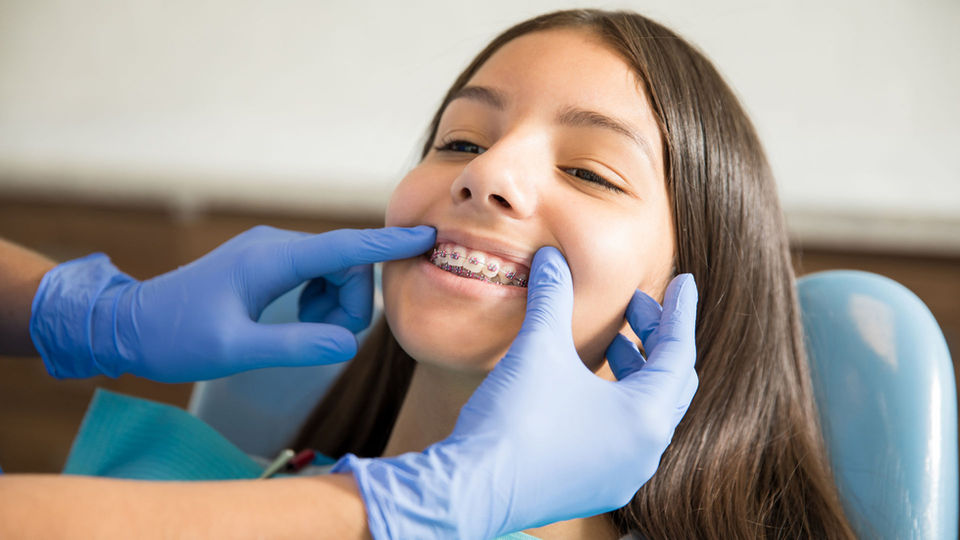
Invisalign aligners are clear and hard to notice from a distance when you talk. Metal brackets are visible; ceramic brackets are tooth-coloured and draw less attention, and lingual brackets are bonded to the back of the teeth so they cannot be seen.
2. Taking them out
Aligners come out for eating and brushing and then go back in. Braces are fixed and stay in place throughout treatment. This is an advantage of aligners as much as a responsibility: they must be worn 20–22 hours a day.
3. Eating
You do not eat with aligners in; because they come out, there are no food restrictions. With braces, hard, sticky and bite-into foods need care, as they can knock brackets off.
4. Cleaning
With aligners out, you brush and floss as usual. With braces you need an orthodontic toothbrush and interdental brushes for the areas around the brackets.
5. Check-ups
With braces the wire is usually adjusted at the clinic every 4–6 weeks. With Invisalign the aligners are changed at home; progress can be followed with photos in between, so clinic visits may be less frequent.
6. Duration
For both methods the duration depends on how complex the case is. Mild crowding can be finished in a few months, comprehensive cases in 12–24 months.
7. Suitable cases
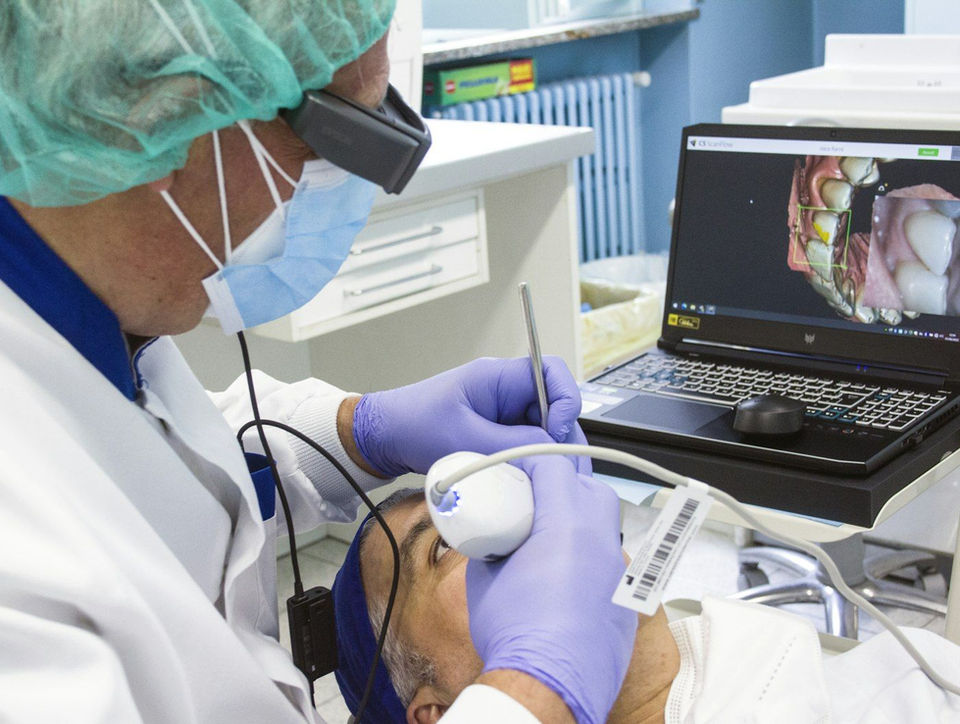
Invisalign is now used for crowding, gaps and many bite problems. In some complex cases braces may be more suitable. The decision is made after an examination and digital scan.
Which should I choose?
If appearance matters to you and you can wear aligners all day, Invisalign is a good option. If taking them in and out would be hard for you, or your case calls for it, braces may be preferred. At the examination we discuss both options using your own teeth.
 DAILY USEHow to clean Invisalign aligners
 PROCESSWhat you feel in the first week of Invisalign
 CHILDRENAt what age does Invisalign First start?