Metal, ceramic and lingual braces: the differences
Comparison5 min readUpdated: November 14, 2026Funda Sarıkaya
IN SHORT
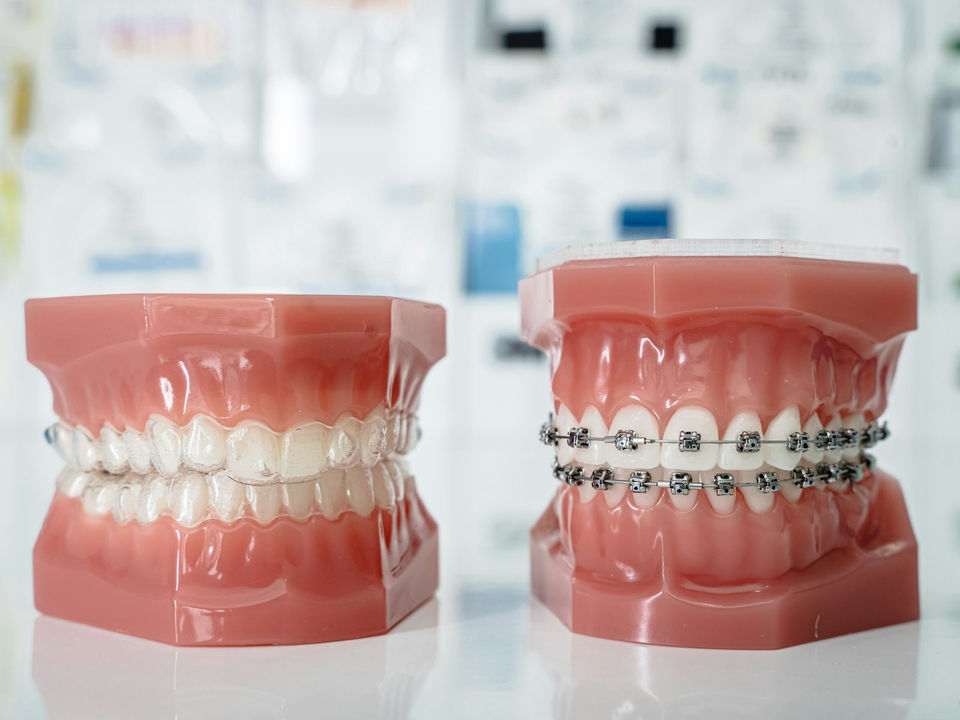
Metal brackets are durable and visible, ceramic brackets are tooth-coloured and less noticeable, and lingual brackets are bonded behind the teeth so they cannot be seen. All three align teeth; the choice depends on your expectations and your case.
Metal brackets
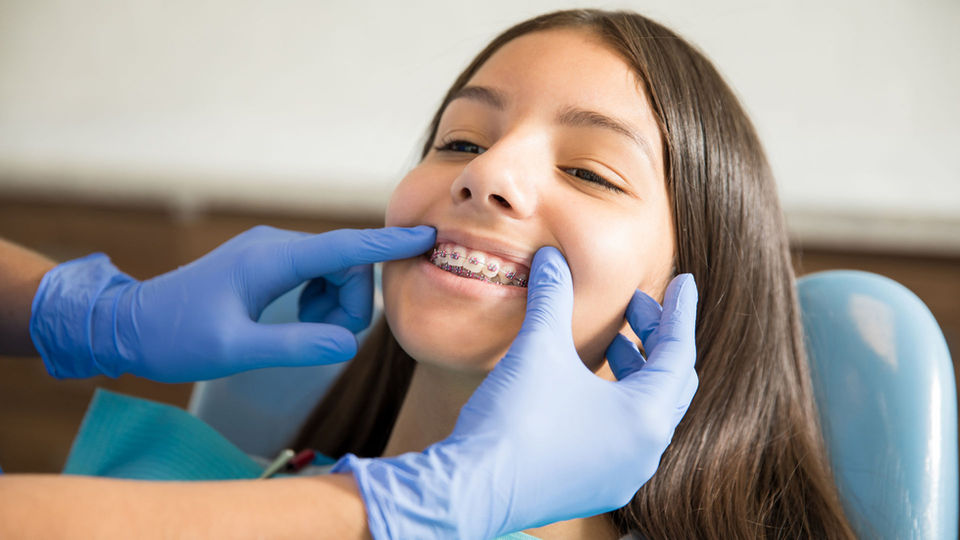
Made of stainless steel, durable and usable in every case. Their visibility is the downside; some children and teens enjoy personalising them with coloured elastics.
Ceramic brackets
Being tooth-coloured, they are less noticeable from a distance. The elastics can stain over time and are replaced at check-ups.
Lingual brackets
Bonded to the tongue side of the teeth, they cannot be seen from outside. The tongue and speech may take longer to adjust, and cleaning needs more care.
How to choose
A short guide:
Durability and suitability for every case: metal
Less visible: ceramic
Not visible at all: lingual braces or clear aligners
They are durable, but hard foods should be avoided.
Do lingual braces affect speech?
They can in the first weeks; most people adapt with time.
Does treatment time depend on the bracket type?
Treatment time mostly depends on the case.
This article is for general information and does not replace an examination, diagnosis or treatment. The right treatment can only be decided after an examination by a dentist.
Park Oran Ofis No:70, Kudüs Cd. No:1 D:21 Oran, Çankaya / Ankara, Türkiye Monday–Saturday, 09:00–19:30
Metal, ceramic and lingual braces: the differences
Comparison5 min readUpdated: November 14, 2026Funda Sarıkaya
IN SHORT
Metal brackets are durable and visible, ceramic brackets are tooth-coloured and less noticeable, and lingual brackets are bonded behind the teeth so they cannot be seen. All three align teeth; the choice depends on your expectations and your case.
Metal brackets
Made of stainless steel, durable and usable in every case. Their visibility is the downside; some children and teens enjoy personalising them with coloured elastics.
Ceramic brackets
Being tooth-coloured, they are less noticeable from a distance. The elastics can stain over time and are replaced at check-ups.
Lingual brackets
Bonded to the tongue side of the teeth, they cannot be seen from outside. The tongue and speech may take longer to adjust, and cleaning needs more care.
How to choose
A short guide:
Durability and suitability for every case: metal
Less visible: ceramic
Not visible at all: lingual braces or clear aligners
They are durable, but hard foods should be avoided.
Do lingual braces affect speech?
They can in the first weeks; most people adapt with time.
Does treatment time depend on the bracket type?
Treatment time mostly depends on the case.
This article is for general information and does not replace an examination, diagnosis or treatment. The right treatment can only be decided after an examination by a dentist.


 GUIDEWhat can you eat with braces, and what should you avoid?
 CARE5 steps to brushing with braces
 CHILDRENWhen should my child have an orthodontic check?