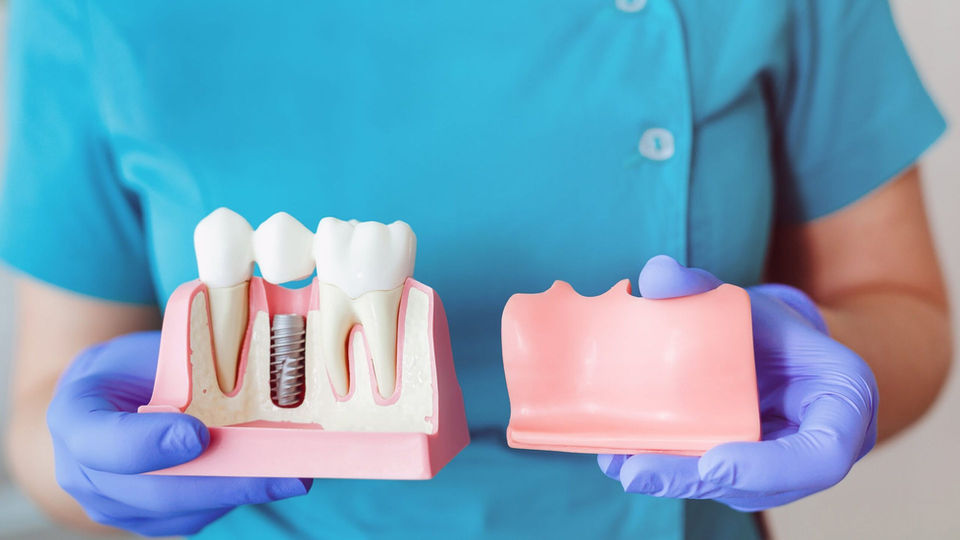


Flexible partial denture
Flexible dentures hold onto the teeth with a bendable, gum-coloured material instead of metal clasps, which is why people call them “silicone teeth”; the material is actually a flexible denture resin, not silicone. They look natural, are light and have no visible clasps.
Who are they for?
They suit people missing a few teeth who do not want visible metal clasps or who need a short-term solution. They can also be used temporarily during implant healing. Where all teeth are missing or chewing forces are high, other types of denture may be more suitable.
Disadvantages
Flexible dentures are harder to reline and repair than conventional dentures. They may not distribute chewing forces to the teeth and gums as evenly as rigid dentures, and their colour can change over time.
Ready-made teeth sold online
Ready-made teeth that are heated and pressed into shape are not made to measure. They can disturb the bite, lead to bacterial build-up between the teeth and gum inflammation, and are not suitable for chewing or speaking. They are not a substitute for dental treatment.
Removable smiles made at the clinic
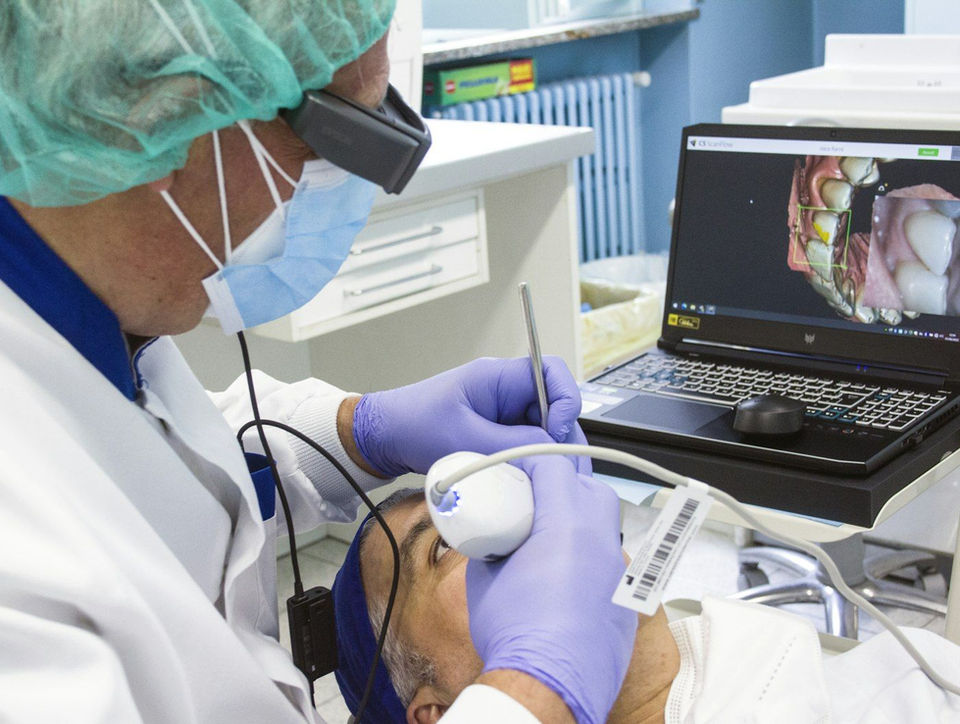
For people who want to change their smile without cutting their teeth, removable smile appliances such as Snap-On Smile are custom-made from a digital impression of the teeth. They are not a permanent treatment, but they differ from ready-made products because they fit the mouth. Suitability is decided at the examination.
 GUIDEThe first month with new dentures
 COMPARISONFixed or removable prosthetics?