What do bleeding gums mean?

Symptoms5 min readUpdated: November 14, 2026Funda Sarıkaya
What do bleeding gums mean?
IN SHORT

Bleeding gums are usually the first sign of gum inflammation (gingivitis) caused by plaque and tartar. At an early stage it reverses with professional cleaning and good oral care; left untreated it can progress to gum recession and bone loss.

The usual cause: gum inflammation

Bacterial plaque that builds up on teeth irritates the gums. Over time plaque hardens into tartar, which a toothbrush cannot remove. The gums become red, swollen and bleed easily.

Other causes

Things that can contribute to bleeding:

  • A hard brush or brushing too hard
  • Pregnancy and hormonal changes
  • Smoking (it can mask bleeding)
  • Some medicines and general health conditions

What to do at home

Do not stop brushing; brush gently with a soft brush angled at 45 degrees to the gum line. Use floss or interdental brushes.

Treatment at the clinic

Scaling and polishing remove plaque and tartar. If gum pockets have deepened, a deep cleaning such as curettage is carried out.

When is it urgent?

See a doctor if bleeding starts on its own and will not stop, or comes with easy bruising elsewhere on the body.
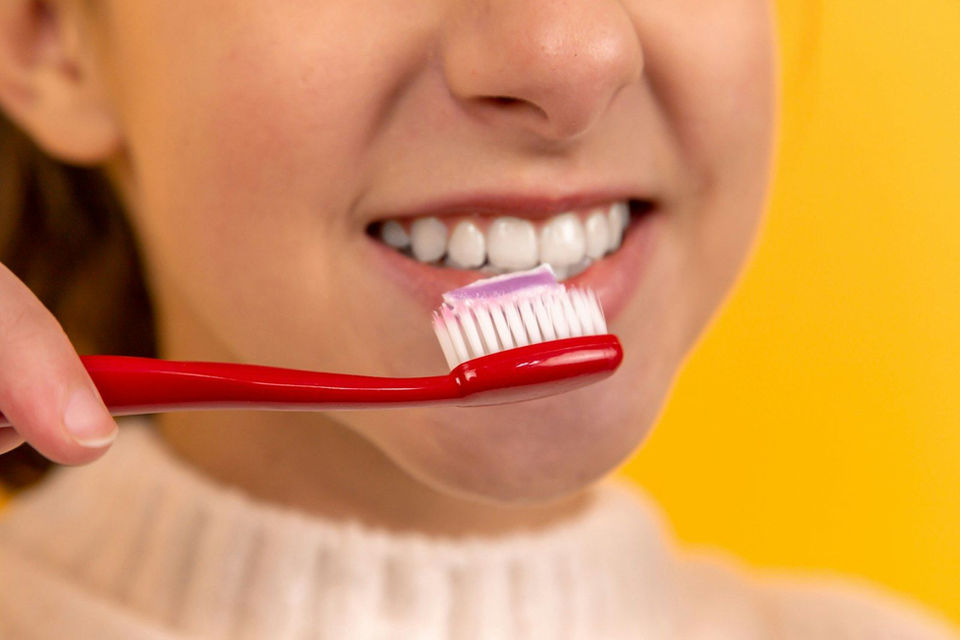
RELATED TREATMENTTeeth cleaning and gum careTartar forms when plaque that isn’t cleaned away hardens, and a toothbrush cannot remove it. It can cause gum inflammation, bleeding and bad breath, and is removed at the clinic with ultrasonic instruments.

Frequently asked questions

Should I brush bleeding gums?

Yes; keep brushing gently with a soft brush.

Is mouthwash enough?

Mouthwash helps but does not remove tartar.

Will bleeding gums get better?

At an early stage they usually do with cleaning and good care.

This article is for general information and does not replace an examination, diagnosis or treatment. The right treatment can only be decided after an examination by a dentist.

Have a question? Let’s talk at an examination.

Message us on WhatsApp or book a consultation.