Symptoms4 min readUpdated: November 14, 2026Funda Sarıkaya
IN SHORT
Bruxism is involuntary clenching or grinding of the teeth. It can happen during sleep or unconsciously during the day. It can cause wear, fractures and jaw pain; a night guard helps protect the teeth.
Signs
For example:
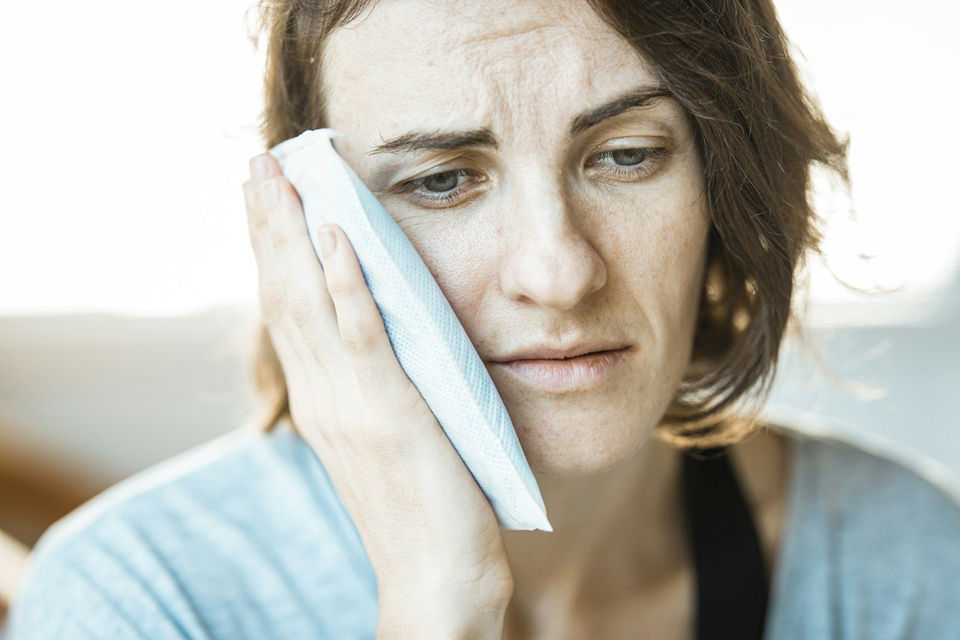
Jaw and temple pain in the morning
Flattened or worn teeth
Sensitive teeth
Your partner hearing grinding
Effects
In the long term, tooth wear, broken fillings and crowns and jaw joint problems can occur.
Treatment
A custom night guard, stress management and, where needed, masseter treatment can be considered together.
It depends on the cause; protecting the teeth matters.
Do children get it?
Yes, it can occur in children too; an assessment is recommended.
Is it linked to sleep apnoea?
It can be in some people; this is assessed with the relevant doctor.
This article is for general information and does not replace an examination, diagnosis or treatment. The right treatment can only be decided after an examination by a dentist.
Park Oran Ofis No:70, Kudüs Cd. No:1 D:21 Oran, Çankaya / Ankara, Türkiye Monday–Saturday, 09:00–19:30
What is bruxism (teeth grinding)?
Symptoms4 min readUpdated: November 14, 2026Funda Sarıkaya
IN SHORT
Bruxism is involuntary clenching or grinding of the teeth. It can happen during sleep or unconsciously during the day. It can cause wear, fractures and jaw pain; a night guard helps protect the teeth.
Signs
For example:
Jaw and temple pain in the morning
Flattened or worn teeth
Sensitive teeth
Your partner hearing grinding
Effects
In the long term, tooth wear, broken fillings and crowns and jaw joint problems can occur.
Treatment
A custom night guard, stress management and, where needed, masseter treatment can be considered together.
It depends on the cause; protecting the teeth matters.
Do children get it?
Yes, it can occur in children too; an assessment is recommended.
Is it linked to sleep apnoea?
It can be in some people; this is assessed with the relevant doctor.
This article is for general information and does not replace an examination, diagnosis or treatment. The right treatment can only be decided after an examination by a dentist.



 SYMPTOMS7 signs you clench your teeth at night
 GUIDEWhat causes jaw joint (TMJ) pain?