
How do you recognise it?
The lower front teeth closing in front of the upper teeth, a prominent lower jaw in profile, difficulty biting with the front teeth and changes in some sounds can be seen. A definitive assessment is made by examination and a lateral cephalometric X-ray.
Why does it happen?
Family tendency is an important factor. In some children the problem is an underdeveloped upper jaw, which makes the lower jaw look further forward than it is. Early loss of baby teeth and habits such as mouth breathing can also affect jaw development.
Treatment in children
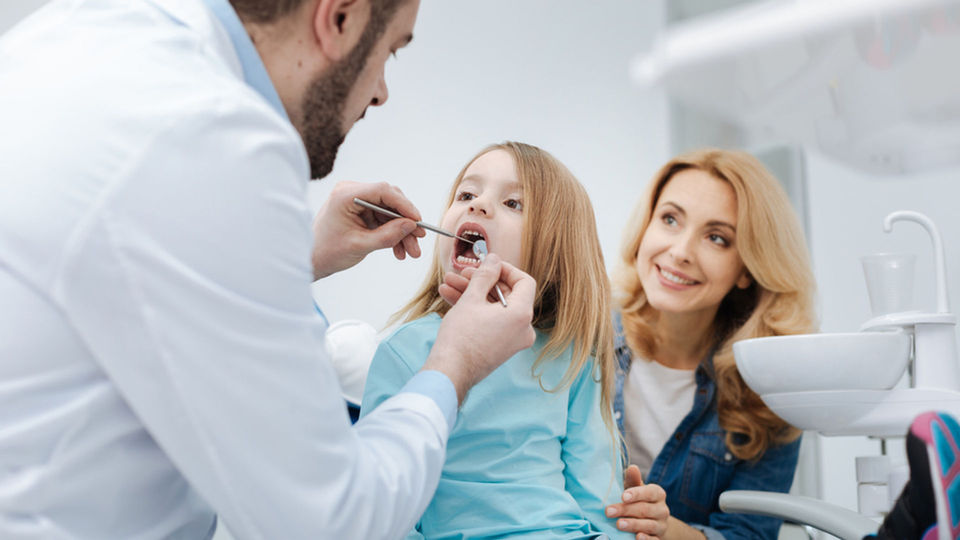
While growth continues, appliances such as a face mask and palatal expander that support forward growth of the upper jaw can be used. That is why children with a reverse bite of the front teeth are advised to see an orthodontist around age 6–8.
Treatment in adults
If the difference is only in the position of the teeth, it can be corrected with braces or clear aligners. For marked differences arising from the size and position of the jaws, orthodontics alone is not enough; orthodontics and jaw surgery (orthognathic surgery) are planned together. X-ray analysis determines which option is suitable.
What if it is not treated?
Wear on the front teeth, gum recession, difficulty chewing and increased load on the jaw joint can occur. Aesthetic concerns are also a frequent reason for seeking treatment.
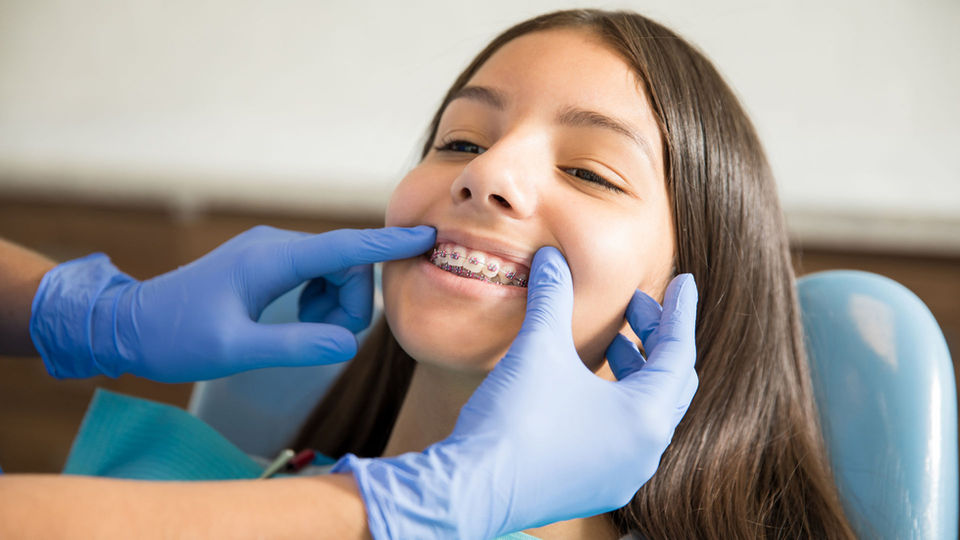 GUIDEWhat can you eat with braces, and what should you avoid?
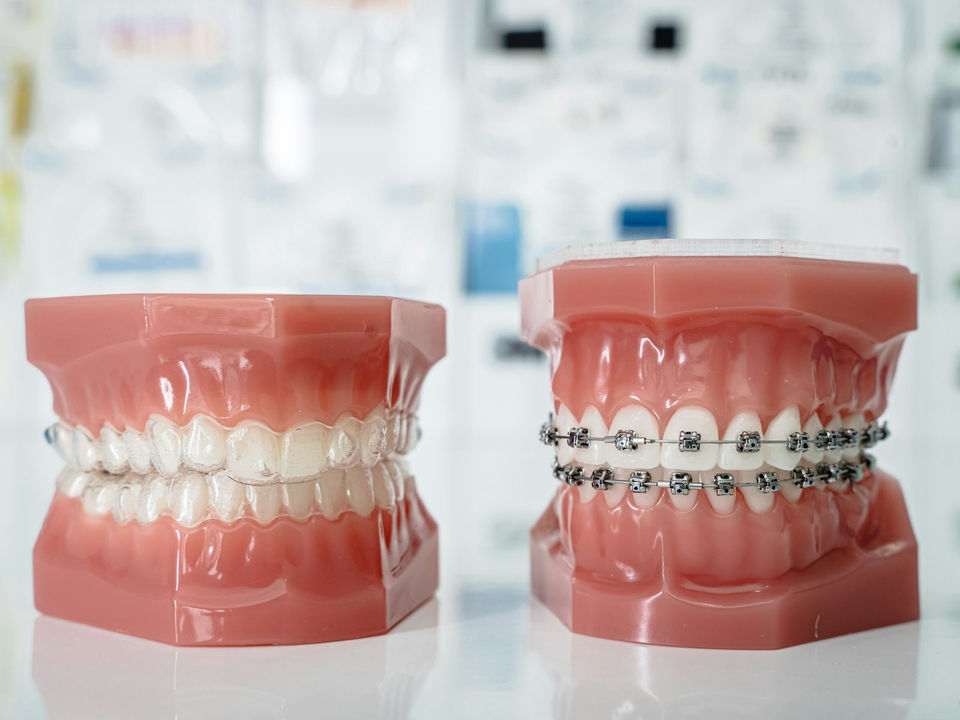 COMPARISONMetal, ceramic and lingual braces: the differences
 CARE5 steps to brushing with braces