

The first week: pressure and speech
When an aligner is first put in, the teeth feel tight; this repeats in the first 1–2 days of each new aligner. A slight change in “s” and “sh” sounds usually settles within a few days. Reading aloud speeds up adjustment.
Your eating routine changes
Only water is drunk with the aligners in. For meals and other drinks they are taken out, then the teeth are brushed and the aligners put back. Users often say they snack less during the day; long and frequent meals can shorten wear time.
Appearance and social life
Because the aligners are clear, they often go unnoticed in conversation. Small tooth-coloured bumps (attachments) bonded to some teeth may be seen up close. For special occasions such as meetings, weddings or photo shoots, aligners can be removed for a short time, but this counts against the daily total.
Aligner changes and check-ups
Aligners are usually changed every 1–2 weeks according to the plan. Clinic check-ups are often every 6–10 weeks, with photo follow-up in between. An aligner that does not fit fully, breaks or is lost should be reported to the dentist.
Common challenges
Difficulties users often mention:
- Keeping up wear time (especially at weekends and on holiday)
- Finding somewhere to clean teeth after eating out
- Wrapping aligners in a napkin and forgetting or losing them
- The pressure on the first day of a new aligner
After treatment
Teeth tend to drift back towards their old positions over time. That is why a retainer aligner or a thin wire bonded behind the teeth is used at the end of treatment. Retainers are recommended full-time in the first months and then at night only.
Where can I read experiences?
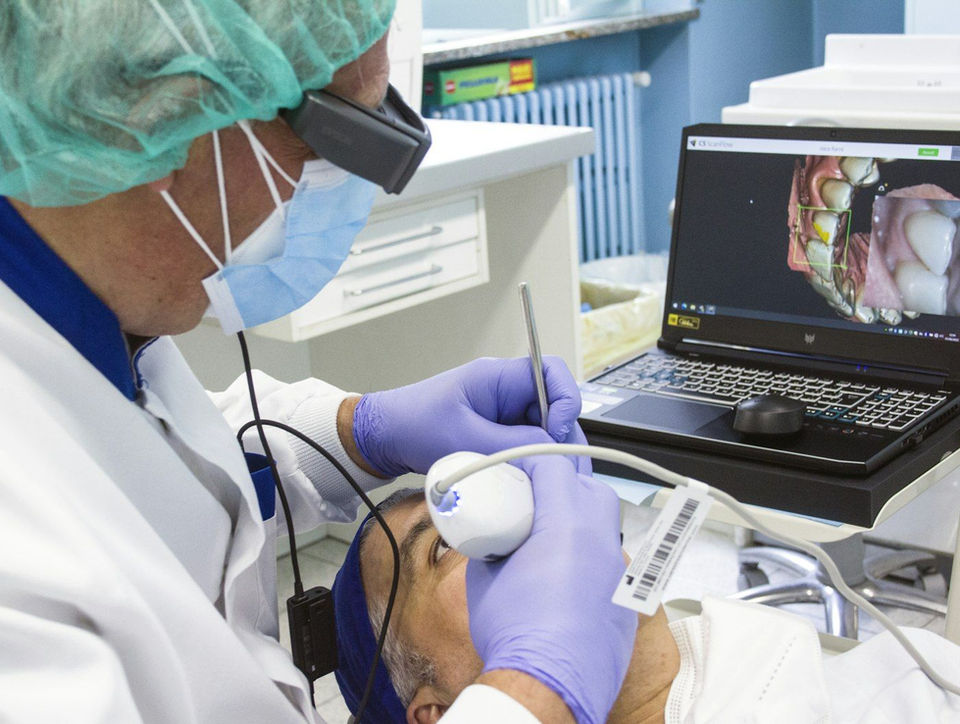
You can read reviews from patients who have visited our clinic on our Google Business Profile. Before starting treatment, a digital scan at the examination shows a simulation of the end result on your own teeth.
 DAILY USEHow to clean Invisalign aligners
 PROCESSWhat you feel in the first week of Invisalign