
Dental crownsfor broken, worn or discoloured teeth
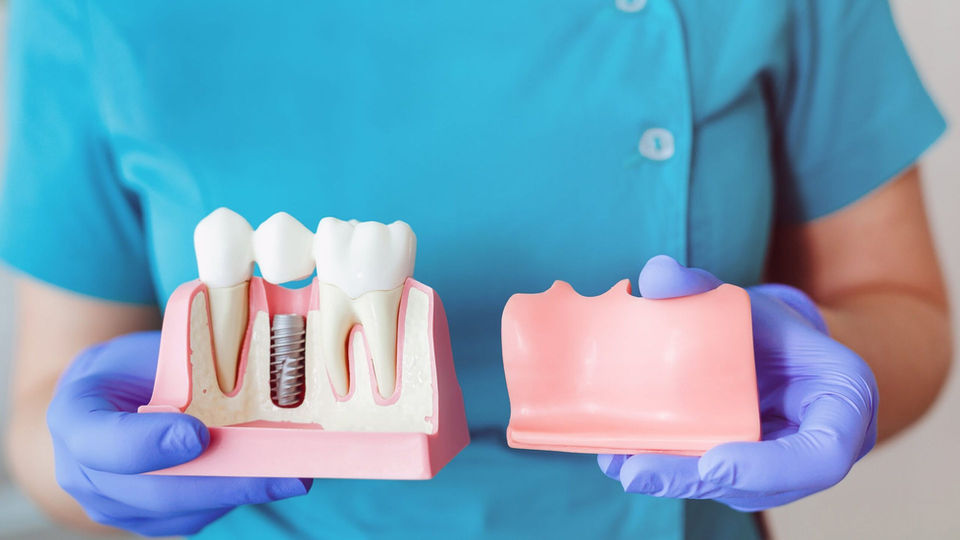
A dental crown is a custom-made cap that covers the whole of a tooth that has lost structure, is broken, has a large filling or has had root canal treatment. It restores the tooth's shape, strength and appearance; for missing teeth it is also part of a bridge.
Crowns are mostly made of zirconia, porcelain fused to metal or all-ceramic (e.max). A veneer, which covers only the front surface of the tooth, is a separate treatment. The suitable material is chosen after assessing the tooth's position, the remaining tooth structure and the biting force.
- Who is it not suitable for?
- If very little tooth structure remains, root canal treatment or a post may be needed first; if the root cannot be saved, an implant is discussed. Untreated gum disease is treated first.
- How many visits, and how long does it take?
- Usually 2–3 visits; with a digital impression, laboratory time is about one week.

Who is it suitable for?
Dental crowns are most often placed in these cases:
Whether it is suitable for you is determined after an examination.
How is a dental crown placed?
The tooth is reduced by the thickness of the crown, a digital impression is taken and the crown is made in the laboratory. A temporary crown is fitted in the meantime; after a try-in and colour check, the permanent crown is cemented.
The animation is illustrative; every patient's treatment plan is different.
Treatment step by step
- Examination and X-rayThe root, fillings and gums of the tooth are assessed.
- Plan and shadeThe material and shade are chosen together; digital smile design is done if needed.
- Tooth preparationThe tooth is shaped under local anaesthesia; a temporary crown is fitted.
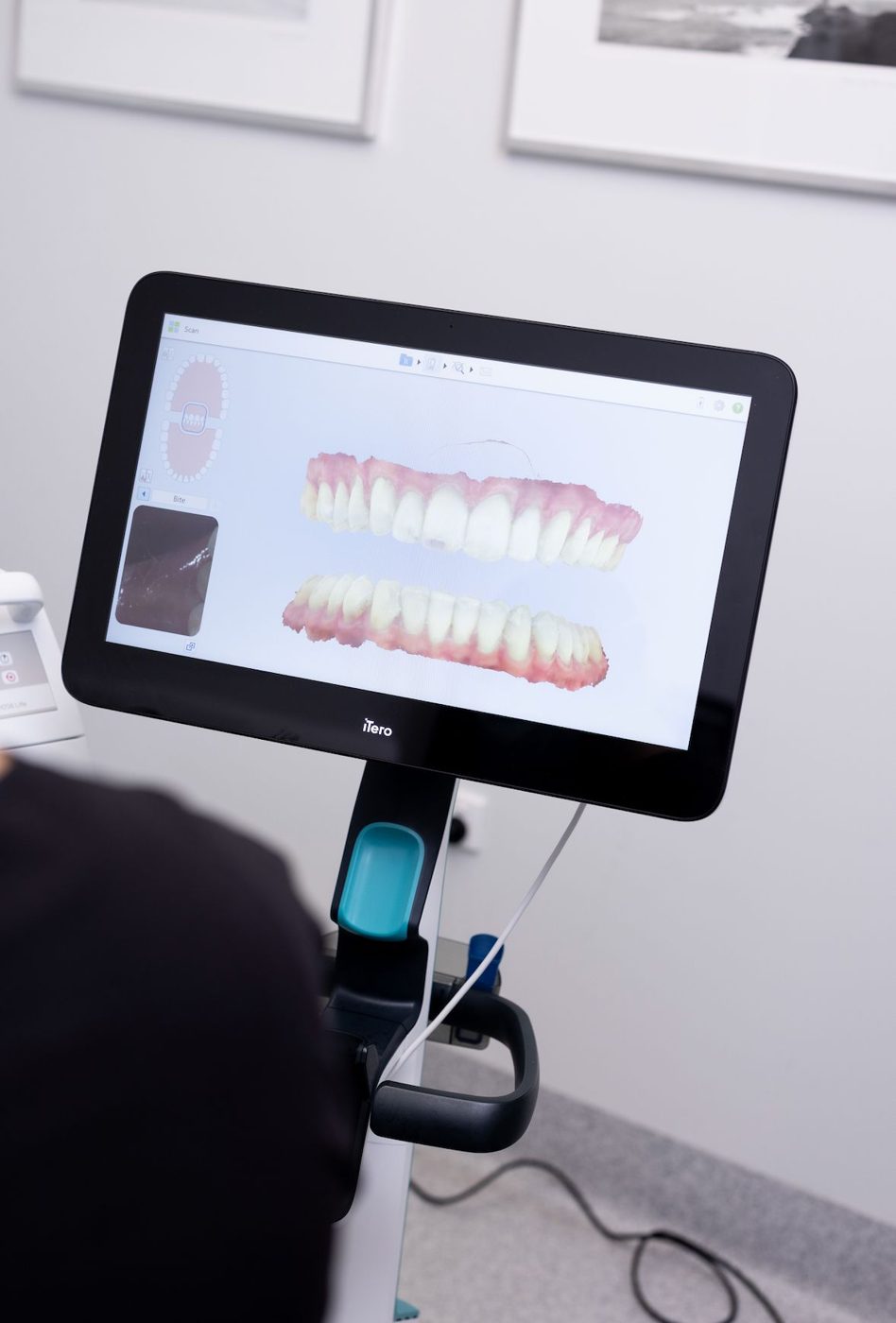
- Digital impression and laboratoryAn impression is taken with iTero and the crown is made.
- Try-in and cementationFit, shade and bite are checked, and the crown is cemented.
Duration and number of visits vary from person to person.
Crown or veneer?
| Crown | Veneer | |
|---|---|---|
| Surface covered | The whole tooth | Front surface |
| Tooth reduction | More | Less or none |
| Suitable for | Broken, heavily filled or root-canal-treated teeth | Correcting colour and shape of healthy teeth |
| Area | Front and back teeth | Mostly front teeth |
Approximate price range in Turkey
| Zirconia crown (per tooth) | €200–400 |
| E.max crown (per tooth) | €250–500 |
| Porcelain-fused-to-metal crown (per tooth) | €150–300 |
These ranges are approximate values based on average fees in Turkey, not fixed prices. Your personal fee is given in a written treatment plan after examination and imaging.
Free pre-assessment
If you live abroad, we can review your case remotely before you plan your trip.
- Send photos of your teeth and a recent X-ray, if you have one, via WhatsApp.
- Our dentist reviews them and tells you the likely treatment options and how many days you should plan.
- We agree on dates together; the final plan is made at the examination in our clinic.
Frequently asked questions
A short introduction to our clinic.
How long does a dental crown last?
It depends on oral hygiene, teeth clenching and regular check-ups; with proper care it can be used for many years. A check-up every six months is recommended.
Does the tooth have to be reduced for a crown?
Because the crown sits over the tooth, the tooth is reduced by the thickness of the crown. This is done under local anaesthesia.
Can the tooth under a crown decay?
If plaque builds up at the crown margin, the tooth underneath can decay; using dental floss and interdental brushes and attending check-ups are important.
Which crown looks most natural?
On front teeth, all-ceramic (e.max) and porcelain-layered zirconia provide natural translucency; on back teeth, zirconia is often preferred for strength.
What should I do if my crown falls off?
Keep the crown and call the clinic; if the tooth and crown are intact, it can often be re-cemented.
Can I eat with a temporary crown?
Yes; however, avoiding hard and sticky foods and chewing carefully on that side is recommended.
Is it right for you? Let's talk at your examination.
We listen to your concerns and expectations, and after the examination we review the options together.