
Fissure sealants and fluoridepreventive treatments against tooth decay in children
A fissure sealant is a flowable protective material applied to the deep grooves (fissures) on the chewing surfaces of the molars. These grooves are hard to clean with a toothbrush, and decay most often starts there.
Fluoride treatment means applying a varnish or gel that strengthens tooth enamel to the teeth. Both procedures are painless, require no injections or drilling, and take a few minutes.
- Who is it not suitable for?
- If decay has already started, it is treated first; fissure sealant is applied only to sound surfaces or those with very early lesions.
- How many visits, and how long does it take?
- Single session; a few minutes per tooth.

Who is it suitable for?
Preventive treatments are most often recommended in these situations:
Whether it is suitable for you is determined after an examination.
How is a fissure sealant applied?
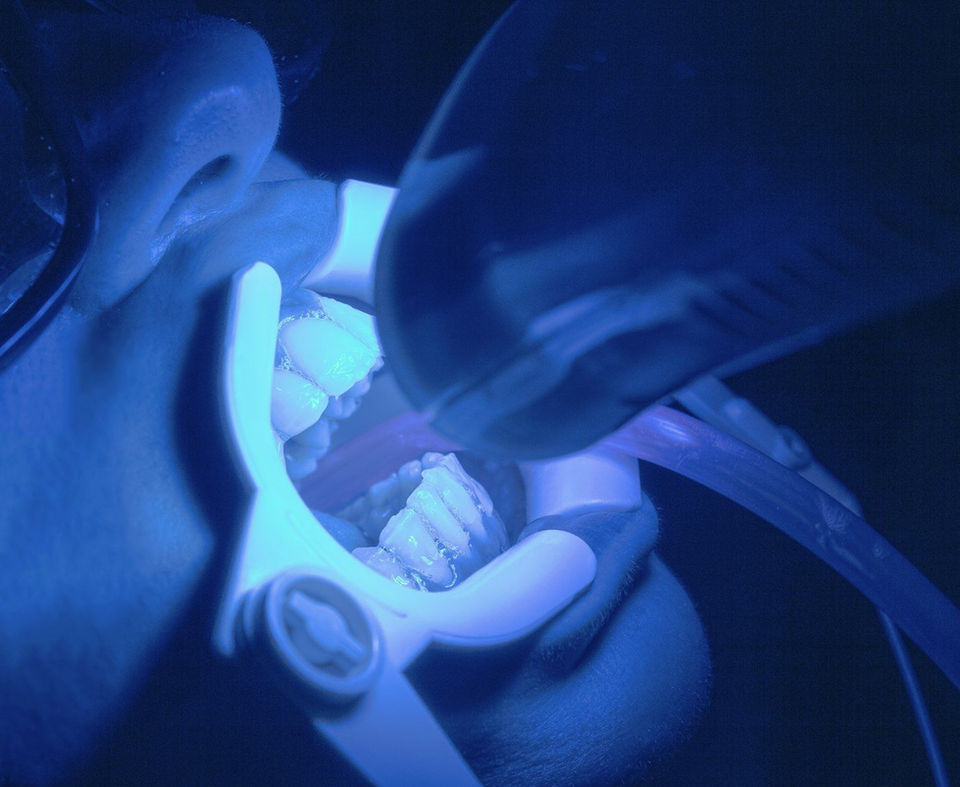
The tooth surface is cleaned and dried, the flowable sealant is applied to the grooves and hardened with light. Fluoride varnish is brushed onto the teeth in a thin layer.
The animation is illustrative; every patient's treatment plan is different.
Treatment step by step
- ExaminationThe teeth are checked for decay.
- CleaningThe tooth surface is cleaned and dried.
- PreparationThe surface is prepared so that the sealant adheres.
- ApplicationThe fissure sealant is applied and hardened with light; fluoride varnish is applied if needed.
- Check-upThe bite is checked; the sealant is checked every 6 months.
Duration and number of visits vary from person to person.
Fissure sealant or fluoride?
| Fissure sealant | Fluoride treatment | |
|---|---|---|
| Effect | Physically seals the grooves | Strengthens the enamel |
| Area | Chewing surfaces of the molars | All teeth |
| Duration | A few minutes per tooth | A few minutes |
| Repeat | At check-ups if needed | Usually every 3–6 months |
Approximate price range in Turkey
| Fissure sealant (per tooth) | €25–50 |
| Fluoride treatment (per session) | €30–60 |
These ranges are approximate values based on average fees in Turkey, not fixed prices. Your personal fee is given in a written treatment plan after examination and imaging.
Free pre-assessment
If you live abroad, we can review your case remotely before you plan your trip.
- Send photos of your teeth and a recent X-ray, if you have one, via WhatsApp.
- Our dentist reviews them and tells you the likely treatment options and how many days you should plan.
- We agree on dates together; the final plan is made at the examination in our clinic.
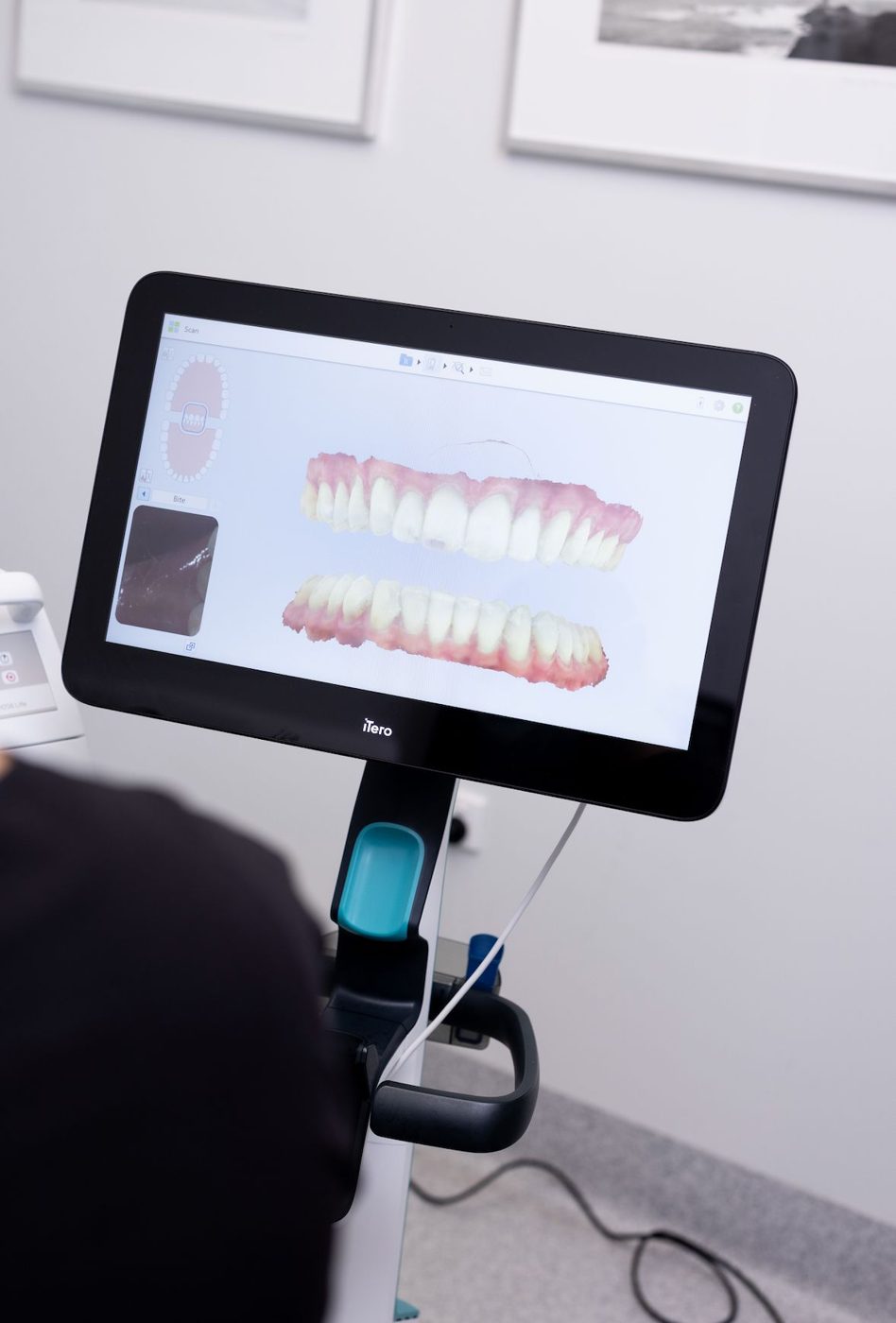
The technologies we use
Frequently asked questions
A short introduction to our clinic.
At what age are fissure sealants applied?
After the permanent molars erupt, usually around ages 6 and 12; they can also be applied to suitable teeth in adults.
Is the application painful?
No; it requires no injections or drilling.
How long does a fissure sealant last?
It can last for years; if it has come off or worn at a check-up, it is repaired.
What should be done after fluoride treatment?
It is usually recommended not to eat for a few hours and not to brush the teeth that day; your dentist will advise you.
Is fluoride harmful?
Fluoride applied by a dentist at an appropriate dose is a safely used preventive method.
Is it right for you? Let's talk at your examination.
We listen to your concerns and expectations, and after the examination we review the options together.