
Invisalign Palatal Expandera system that widens children's upper jaw with removable clear aligners
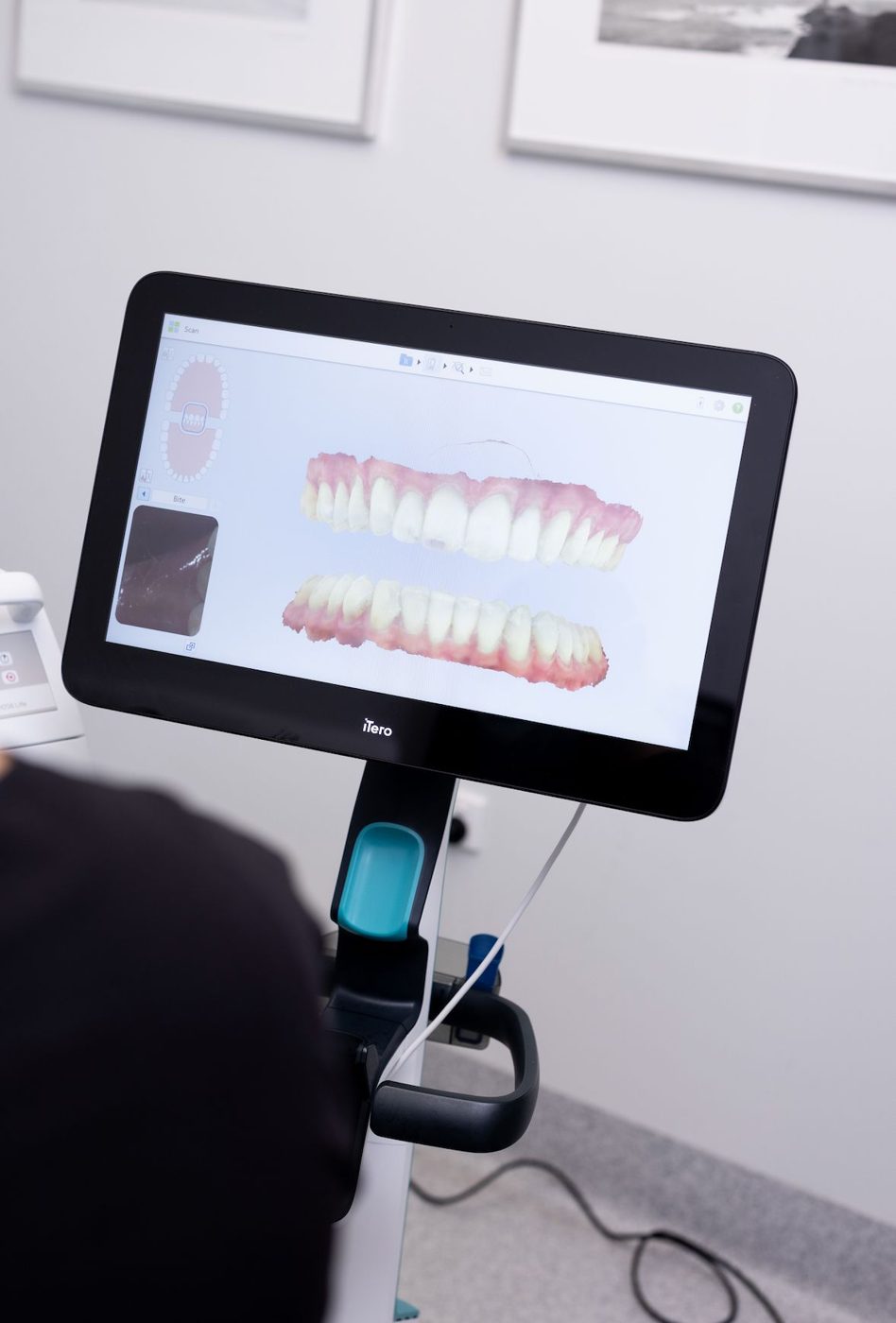
The Invisalign Palatal Expander is a removable, 3D-printed clear palatal expander system used to widen a narrow upper jaw (palate). A series of aligners made from the child's digital impression taken with iTero widens the upper jaw to the planned width in small steps. Unlike a fixed appliance, there is no screw to turn every day.
The manufacturer presents the system especially for children who are still growing; it received US FDA clearance at the end of 2023. At the clinic, suitability is determined after the orthodontist's examination and imaging; not every narrow palate is suitable for this system.
- Who is it not suitable for?
- Palatal expansion is a treatment related to the bony structure of the jaw; a removable aligner may not be sufficient in every case. In marked skeletal narrowness, older adolescents and adults, a fixed appliance, MARPE or surgically assisted expansion (SARPE) may be more suitable; cases requiring SARPE are referred to a jaw surgeon. The aligner has no effect if the patient does not wear it regularly.
- How many visits, and how long does it take?
- The expansion phase usually takes a few months; a retention phase is then planned for a further period to maintain the new width. The duration varies from person to person.

Who is it suitable for?
Palatal Expander planning most often comes up in the following situations:
Whether it is suitable for you is determined after an examination.
How does the Palatal Expander work?
The child's mouth is scanned with iTero; the target width of the upper jaw and the expansion steps are determined in digital planning. The aligners produced according to the plan are worn in sequence; each aligner is slightly wider than the previous one and widens the upper jaw, teeth and palate with a light, continuous force. The aligners sit on the teeth inside the mouth, and daily use, insertion and removal are shown to the child and the family.
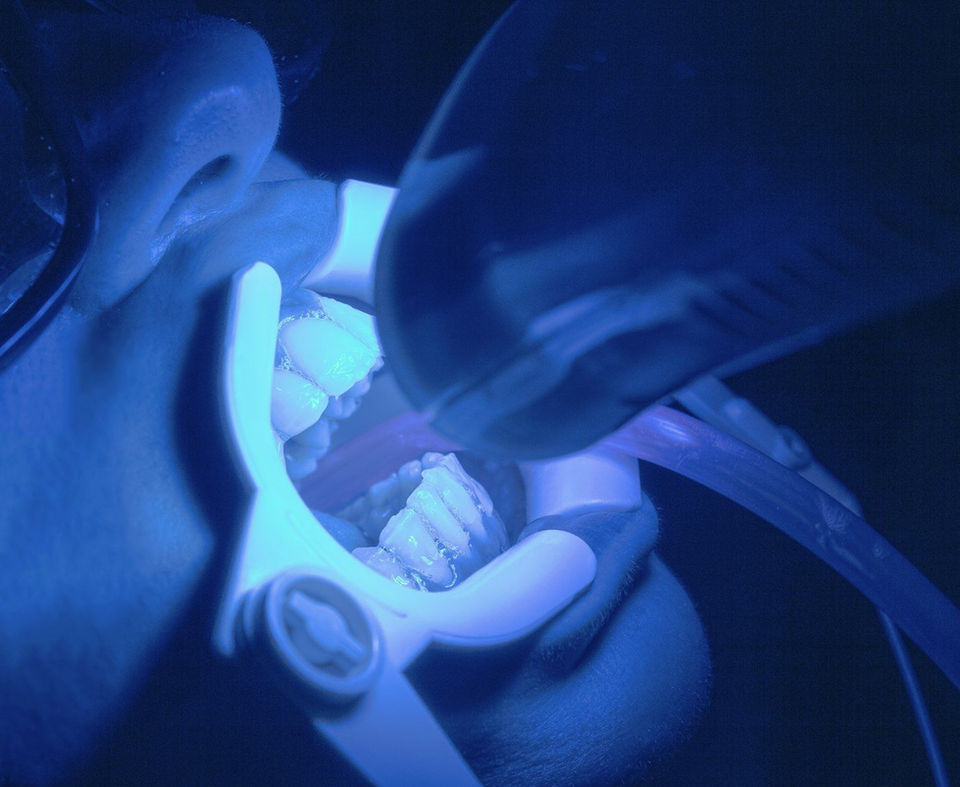
The animation is illustrative; every patient's treatment plan is different.
Treatment step by step
- Examination and imagingJaw narrowness, stage of dentition and bone structure are assessed; the necessary images are taken.
- iTero digital scanA 3D model of the mouth is produced quickly, without impression paste.
- Expansion planThe target width and number of aligners are planned digitally; the family's approval is obtained.
- Fitting the alignersThe first aligner is tried in, insertion, removal and cleaning are shown; speech and eating habits are discussed.
- Check-upsWhether the expansion matches the plan is checked; the plan is updated if needed.
- Retention phaseOnce the target width is reached, follow-up continues for a further period with an aligner or appliance to maintain the width gained.
Duration and number of visits vary from person to person.
Clear palatal expander or fixed expander?
| Invisalign Palatal Expander | Fixed palatal expander | |
|---|---|---|
| How it is worn | Series of removable aligners | Fixed to the teeth with bands, cannot be removed |
| Expansion method | Each aligner is a planned amount wider | A screw is turned with a key |
| Family involvement | Wearing and cleaning the aligner; no screw turning | A screw must be turned at home at set intervals |
| Cleaning | The aligner is removed and brushed | Special cleaning is needed around the appliance |
| Compliance | The child needs to wear the aligner regularly | Because it is fixed, wear time does not depend on the child |
| Suitable cases | Selected cases, mostly those still growing | A wide range of cases, larger degrees of narrowness |
| Speech and comfort | There may be an adjustment period in the first days | There may be an adjustment period and a feeling of pressure in the first days |
Free pre-assessment
If you live abroad, we can review your case remotely before you plan your trip.
- Send photos of your teeth and a recent X-ray, if you have one, via WhatsApp.
- Our dentist reviews them and tells you the likely treatment options and how many days you should plan.
- We agree on dates together; the final plan is made at the examination in our clinic.
Frequently asked questions
A short introduction to our clinic.
What is the Invisalign Palatal Expander?
It is a series of removable, 3D-printed clear palatal expander aligners used to widen a narrow upper jaw. The manufacturer presents it for children who are still growing; whether to use it is decided at the clinic after an examination.
At what age is the Palatal Expander used?
The manufacturer presents the system mainly for children in the mixed dentition period, roughly 6-10 years old. Actual suitability depends more on the development of the jaw and the stage of dentition than on age; this is why an examination is needed.
How does it differ from a fixed palatal expander?
A fixed expander is bonded to the teeth with bands and widened by turning a screw. The Palatal Expander consists of removable aligners and does not require screw turning; in return, the child is expected to wear the aligner regularly.
Is the system as effective as a fixed expander?
There are clinical studies reporting effective results in selected cases; however, the evidence is still developing and it does not replace the fixed expander in every case. Which method is suitable is decided at the examination.
Do the aligners cause pain?
In the first days after switching to a new aligner there may be a feeling of pressure on the palate and teeth; this usually eases within a short time. If there is severe or prolonged pain, call the clinic.
Do the aligners affect speech and eating?
A slight lisp may occur in the first days, and the child's tongue keeps probing the aligner until they get used to it. The aligner is removed during meals; after eating, the teeth are brushed and the aligner is put back in.
What happens if the child does not wear the aligner?
The aligner only works when it is worn; the shorter the wear time, the less the expansion progresses according to plan. In such a case the doctor may recommend switching to a fixed expander.
Is additional treatment needed for the teeth after expansion?
Some children may need an additional series of aligners (Invisalign First) after expansion, or braces or clear aligner treatment at a later stage. This is discussed at the examination and in the treatment plan.
Does the jaw narrow again when treatment ends?
After expansion, the width gained needs to be maintained for a period; this is why a retention phase is planned. Attending check-up appointments regularly is important.
How is the fee determined?
The fee is determined at the examination according to the treatment plan.
Is it right for you? Let's talk at your examination.
We listen to your concerns and expectations, and after the examination we review the options together.