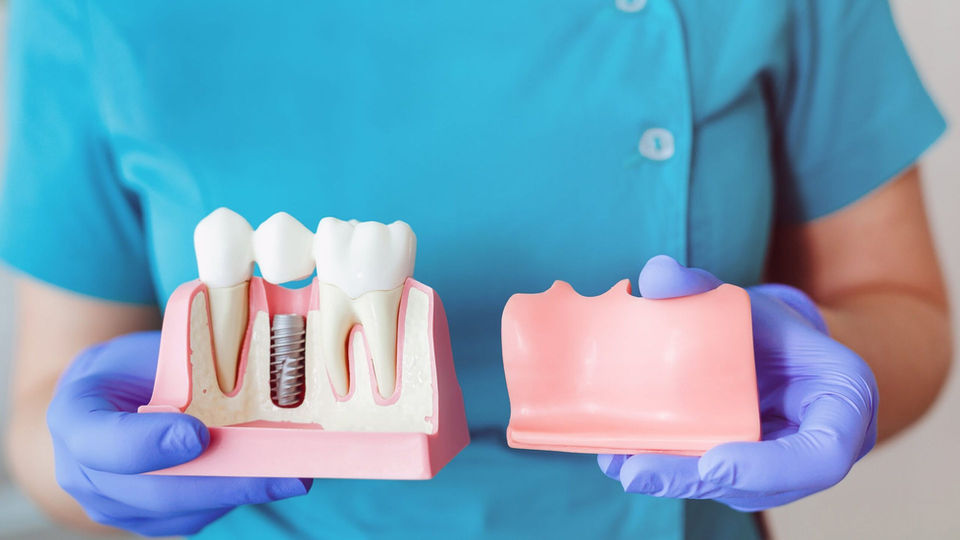

Mini implantsimplants with a narrower diameter
Mini implants are implants with a narrower diameter than standard implants. They are mostly used to stabilise removable dentures and in some areas where the bone width is narrow.
The procedure is carried out under local anaesthesia. Which implant is suitable is decided after assessing the bone structure and the condition of the teeth.
- Who is it not suitable for?
- They may not be suitable in the presence of uncontrolled systemic disease, heavy smoking or insufficient bone; in addition, a standard implant is usually preferred for single missing teeth subject to high chewing loads.
- How many visits, and how long does it take?
- Placement is usually done in a single visit; when the denture is attached varies by case.

Who is it suitable for?
Mini implants are mostly considered in the following situations:
Whether it is suitable for you is determined after an examination.
How are mini implants placed?
Alongside you can see several mini implants in the lower jaw with a denture seated on them. The implant heads click into attachments inside the denture; the denture sits in place and can be removed for cleaning.
The animation is illustrative; every patient's treatment plan is different.
Treatment step by step
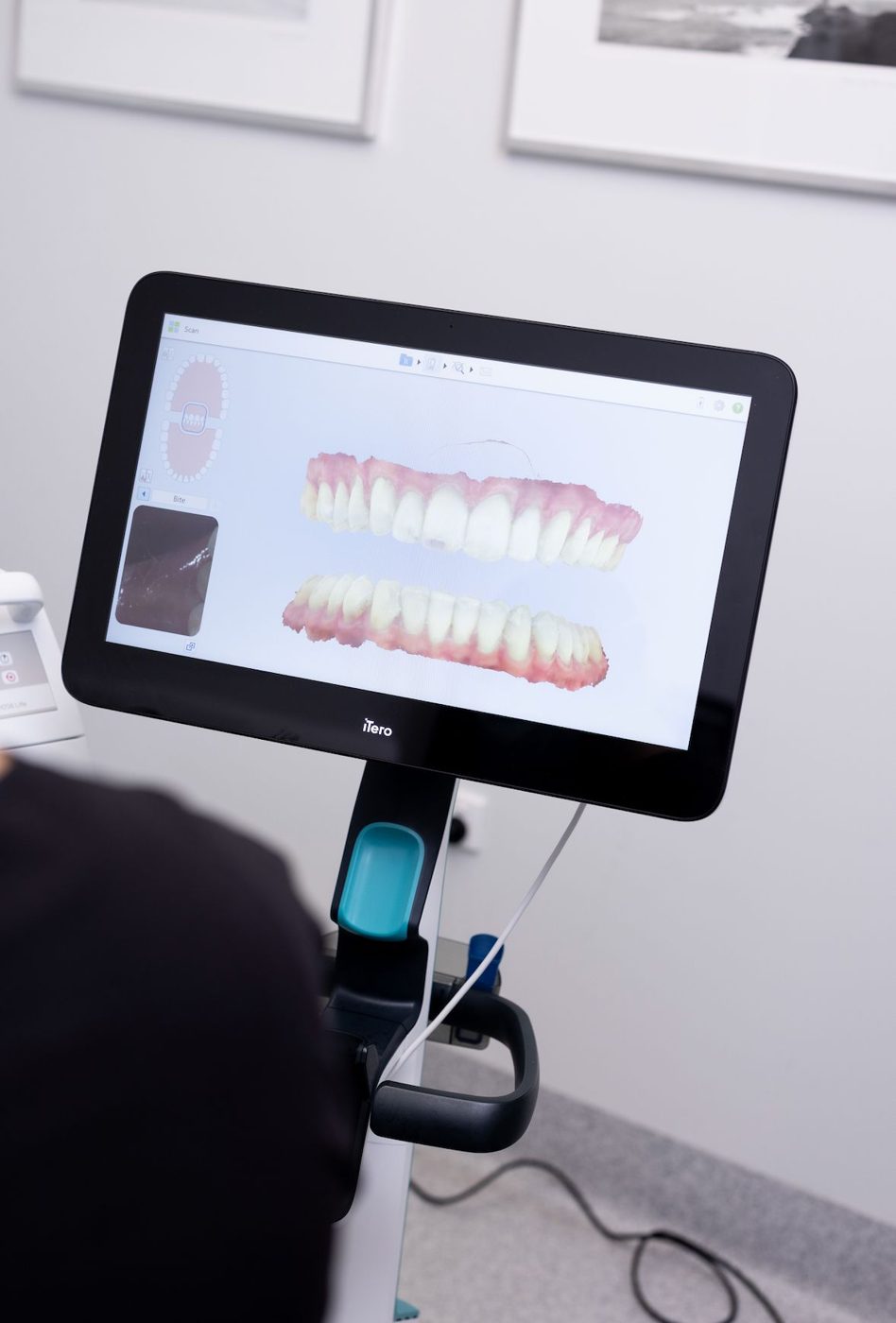
- Examination and 3D imagingThe bone structure is assessed with digital imaging.
- PlanningThe number and position of the implants are planned; the options are discussed.
- PlacementThe mini implants are placed in the bone under local anaesthesia.
- Denture attachmentAttachments are fitted inside the denture and it is seated.
- Check-upsFit, chewing and cleaning are checked.
Duration and number of visits vary from person to person.
Mini implant or standard implant?
| Mini implant | Standard implant | |
|---|---|---|
| Diameter | Narrower | Wider |
| Common use | Denture stabilisation, narrow gaps | Single teeth, bridges, full-arch fixed teeth |
| Bone requirement | Less width | More bone support |
| Load bearing | More limited | Higher |
Frequently asked questions
A short introduction to our clinic.
Are a mini implant and an orthodontic mini-screw the same thing?
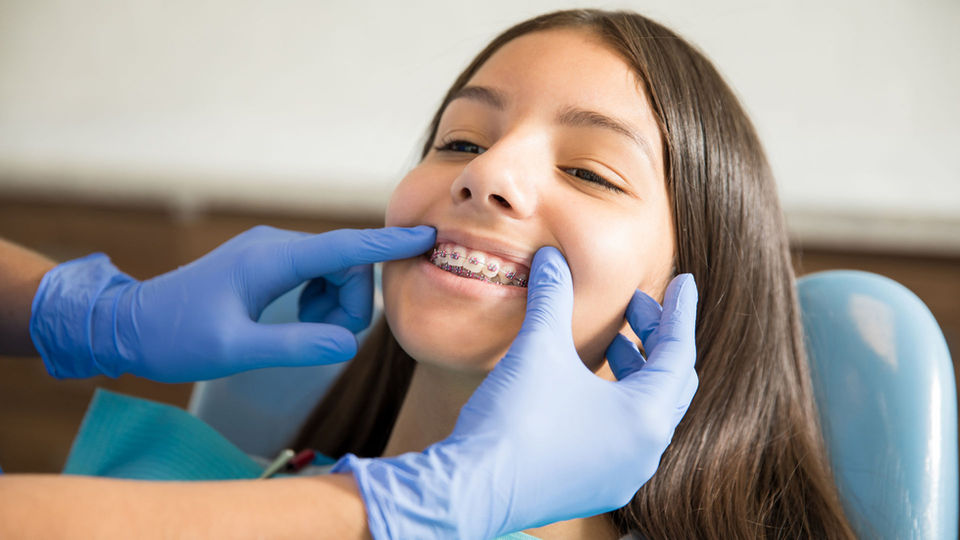
No. Orthodontic mini-screws are used temporarily to move teeth; mini implants are placed permanently to support a denture.
Are mini implants painful?
The procedure is carried out under local anaesthesia; there may be tenderness for a few days afterwards.
Can I keep using my denture?
In suitable cases, the existing denture can be adapted to the new attachments; this is assessed at the examination.
How many mini implants are needed?
A few implants in the lower jaw may often be sufficient; the number is determined by the bone structure.
How long do mini implants last?
With good oral hygiene and regular check-ups they can be used for a long time; how long varies from person to person.
Is it right for you? Let's talk at your examination.
We listen to your concerns and expectations, and after the examination we review the options together.