
Root canal retreatmentremoving and redoing an old root canal filling
Root canal retreatment means removing the old root canal filling from a previously treated tooth where infection persists or has returned, then cleaning and filling the canals again.
Bacteria left in the canal, a missed canal, an inadequate filling or a leaking crown may make retreatment necessary. The aim is to save the tooth without extracting it.
- Who is it not suitable for?
- Retreatment may not be suitable if the root is fractured or very little tooth structure remains.
- How many visits, and how long does it take?
- Usually 2–3 sessions; medication may be placed in the canal between sessions.

Who is it suitable for?
Root canal retreatment is most often needed in these situations:
Whether it is suitable for you is determined after an examination.
How is root canal retreatment performed?
Any crown or post is removed and the old root canal filling is cleaned out. The canals are reshaped, disinfected and filled; the top of the tooth is protected with a permanent filling or crown.
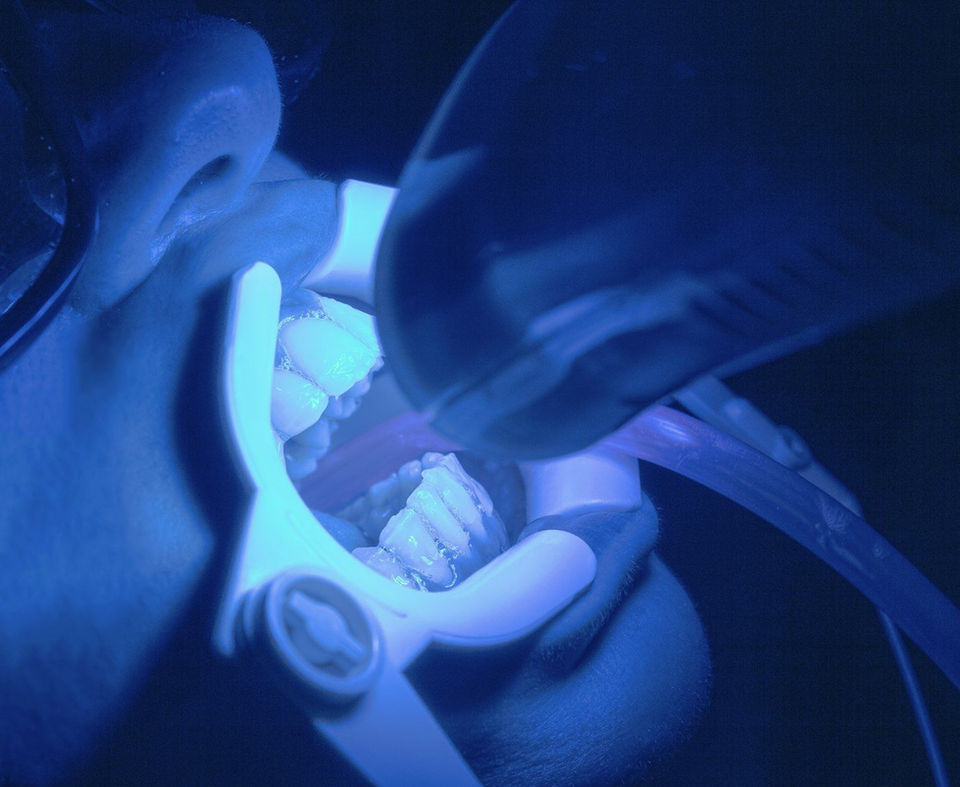
The animation is illustrative; every patient's treatment plan is different.
Treatment step by step
- Examination and X-rayThe root canal filling and the root tip are assessed.
- RemovalThe old filling, crown or post is removed.
- Cleaning and disinfectionThe old root canal filling is cleaned out and the canals are irrigated.
- Root canal fillingThe canals are filled once the infection is under control.
- Final restorationThe tooth is protected with a permanent filling or crown.
Duration and number of visits vary from person to person.
First root canal treatment or retreatment?
| First root canal treatment | Root canal retreatment | |
|---|---|---|
| Starting point | Vital or infected pulp | Old root canal filling |
| Additional step | Not required | Removal of filling and post |
| Sessions | Usually 1–2 | Usually 2–3 |
| Alternative | — | Apicoectomy |
Approximate price range in Turkey
| Root canal retreatment (per tooth) | €200–450 |
These ranges are approximate values based on average fees in Turkey, not fixed prices. Your personal fee is given in a written treatment plan after examination and imaging.
Free pre-assessment
If you live abroad, we can review your case remotely before you plan your trip.
- Send photos of your teeth and a recent X-ray, if you have one, via WhatsApp.
- Our dentist reviews them and tells you the likely treatment options and how many days you should plan.
- We agree on dates together; the final plan is made at the examination in our clinic.
Frequently asked questions
A short introduction to our clinic.
Is root canal retreatment painful?
It is performed under local anaesthesia; there may be mild sensitivity between sessions.
Why was the first root canal treatment not enough?
A missed canal, bacteria remaining in the canal or a leaking restoration are the most common reasons.
Will my crown be removed?
In most cases the crown has to be removed to reach the canals; a new one is made after treatment.
What if retreatment is not successful?
Apicoectomy or extraction and an implant are considered.
How many sessions does it take?
Usually 2–3 sessions; it varies with the state of the infection.
Is it right for you? Let's talk at your examination.
We listen to your concerns and expectations, and after the examination we review the options together.