
Tooth extractionsafely removing a tooth that cannot be saved
Tooth extraction is the removal, under local anaesthesia, of teeth that cannot be saved with root canal treatment or a filling, such as severely decayed, fractured or loose teeth. Ways of saving the tooth are considered first; extraction is the last option.
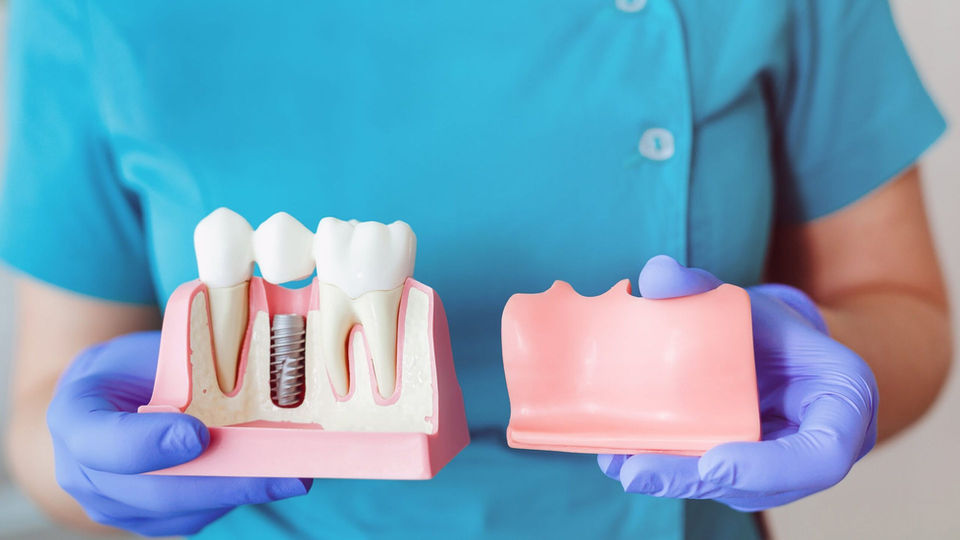
How the gap will be filled after extraction is also planned: an implant, bridge or denture. In suitable cases an implant can be placed in the same session as the extraction.
- Who is it not suitable for?
- Blood-thinning medication, uncontrolled diabetes or certain bone medications require extra precautions before extraction; tell your dentist about your medications.
- How many visits, and how long does it take?
- Single session; usually between a few minutes and half an hour.

Who is it suitable for?
Tooth extraction is most often needed in these situations:
Whether it is suitable for you is determined after an examination.
How is a tooth extracted?
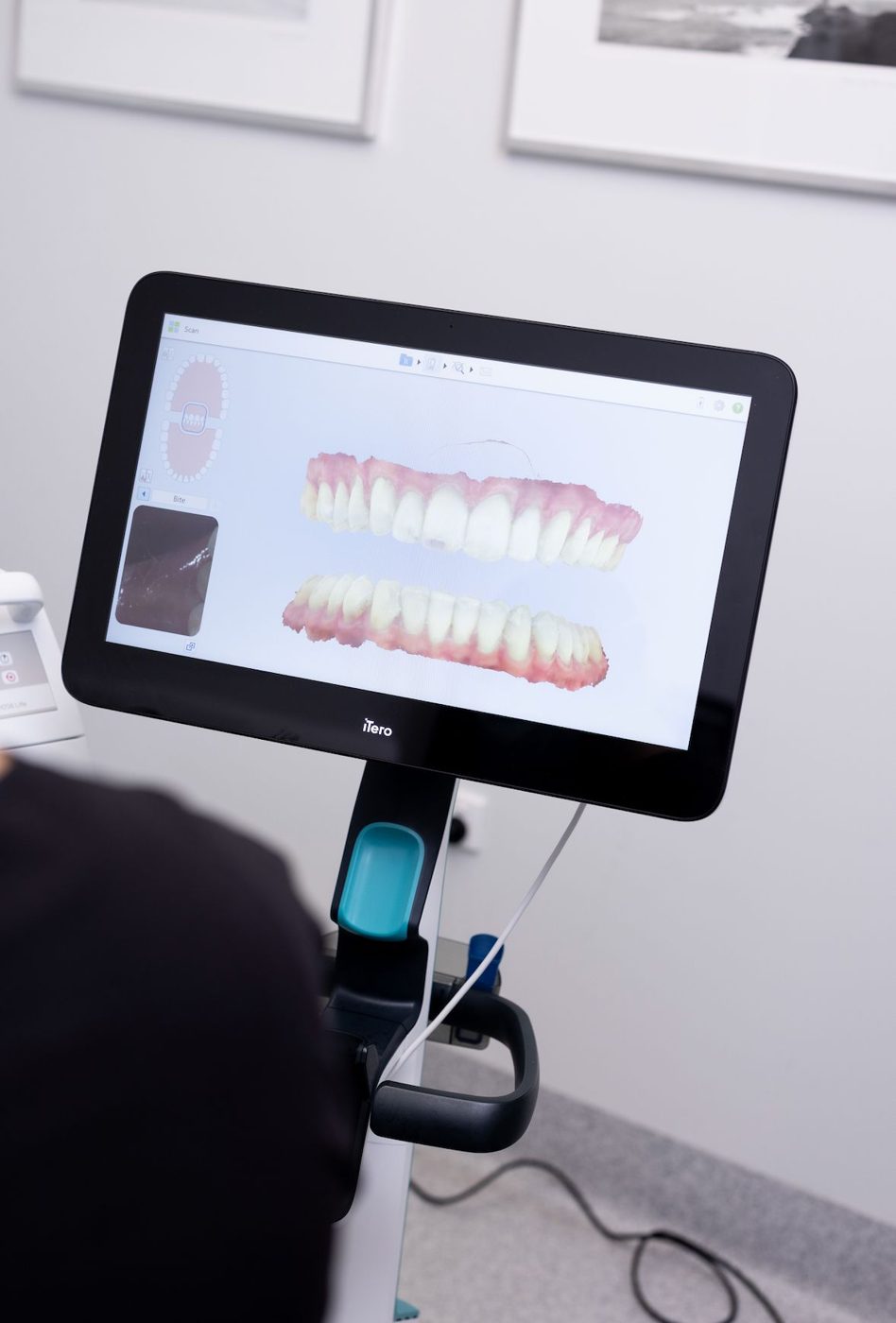
The root structure is examined with an X-ray, the area is numbed with local anaesthesia and the tooth is extracted while preserving the surrounding bone. Stitches are placed if needed and aftercare instructions are given.
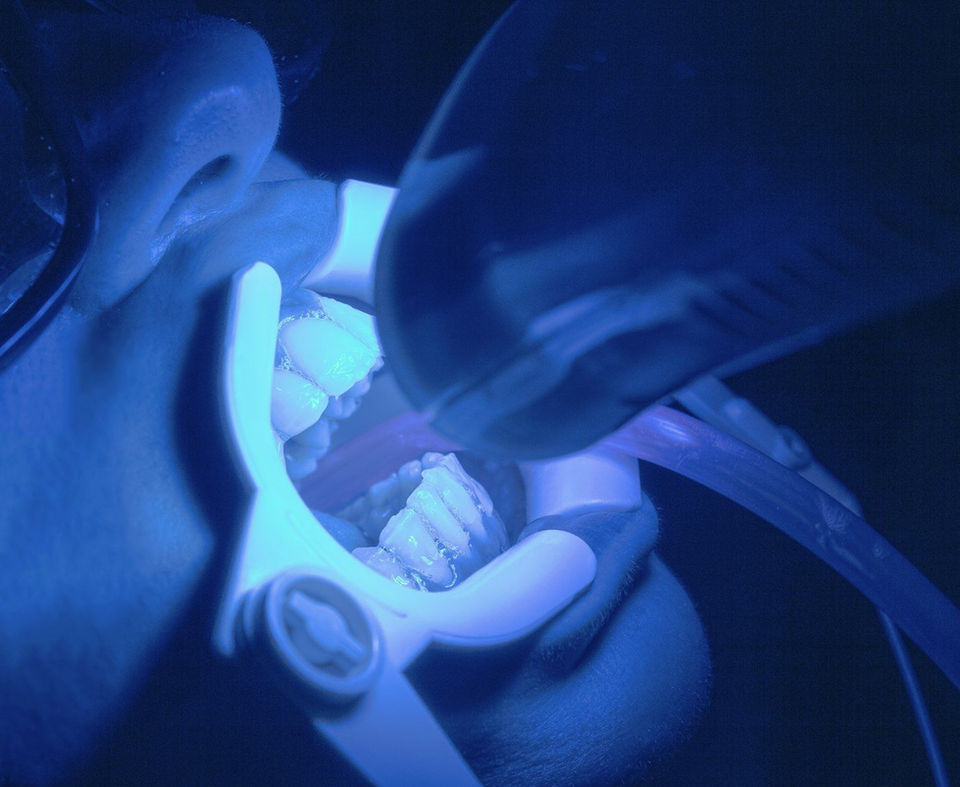
The animation is illustrative; every patient's treatment plan is different.
Treatment step by step
- Examination and X-rayThe root structure and surrounding tissues are assessed.
- AnaesthesiaThe area is numbed with local or digital anaesthesia.
- ExtractionThe tooth is extracted while preserving the surrounding bone.
- CareA gauze pack is placed and stitches are placed if needed.
- Next planAn implant, bridge or denture is planned.
Duration and number of visits vary from person to person.
Simple extraction or surgical extraction?
| Simple extraction | Surgical extraction | |
|---|---|---|
| Situation | Visible tooth with sound roots | Fractured, impacted or curved-root tooth |
| Stitches | Usually not required | Usually required |
| Duration | Short | Longer |
| Healing | A few days | 1–2 weeks |
Approximate price range in Turkey
| Simple tooth extraction | €50–150 |
| Surgical extraction / impacted tooth | €150–350 |
These ranges are approximate values based on average fees in Turkey, not fixed prices. Your personal fee is given in a written treatment plan after examination and imaging.
Free pre-assessment
If you live abroad, we can review your case remotely before you plan your trip.
- Send photos of your teeth and a recent X-ray, if you have one, via WhatsApp.
- Our dentist reviews them and tells you the likely treatment options and how many days you should plan.
- We agree on dates together; the final plan is made at the examination in our clinic.
Frequently asked questions
A short introduction to our clinic.
Is tooth extraction painful?
It is done under local anaesthesia; pressure may be felt during the procedure, but pain is usually not felt.
What should I pay attention to after extraction?
It is recommended to bite on the gauze for 30–45 minutes, not to rinse your mouth on the first day, not to smoke and not to eat hot food.
When can I eat?
Once the numbness has worn off, you can start with lukewarm, soft foods.
Will there be swelling after extraction?
There may be swelling for a few days, especially after surgical extractions; cold compresses help.
When should I fill the gap?
To prevent the neighbouring teeth from shifting, planning an implant, bridge or denture after extraction is recommended.
Is it right for you? Let's talk at your examination.
We listen to your concerns and expectations, and after the examination we review the options together.