
Inlay / onlaylaboratory-made partial restorations
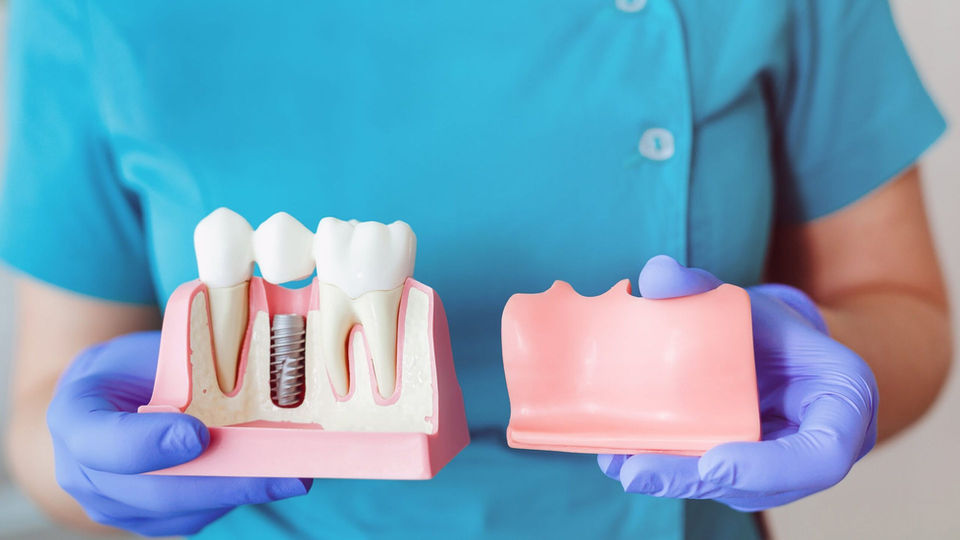
Inlays and onlays are restorations used on back teeth with extensive loss of tooth structure; they are custom-made for the tooth in a laboratory and bonded to it. An inlay fills the cavity inside the tooth, while an onlay also covers one or more cusps.
They are usually made of ceramic (for example E.max) or composite. The aim is to strengthen the tooth while removing less tooth tissue than a crown would require.
- Who is it not suitable for?
- If the loss of tooth structure is very extensive or the tooth is weakened down to the root, a crown may be more appropriate; for very small cavities a regular filling is sufficient.
- How many visits, and how long does it take?
- Usually two visits; with a digital impression, laboratory time is a few days.

Who is it suitable for?
Inlays and onlays are mostly preferred in the following situations:
Whether it is suitable for you is determined after an examination.
How is an inlay / onlay made?
Alongside you can see a molar. Decay and the old filling are removed, the tooth is shaped and a digital impression is taken. A piece that fits the tooth exactly is made in the laboratory and bonded to the tooth.
The animation is illustrative; every patient's treatment plan is different.
Treatment step by step
- Examination and X-rayThe condition of the tooth and the loss of structure are assessed.
- PreparationDecay and the old filling are removed, and the tooth is shaped.
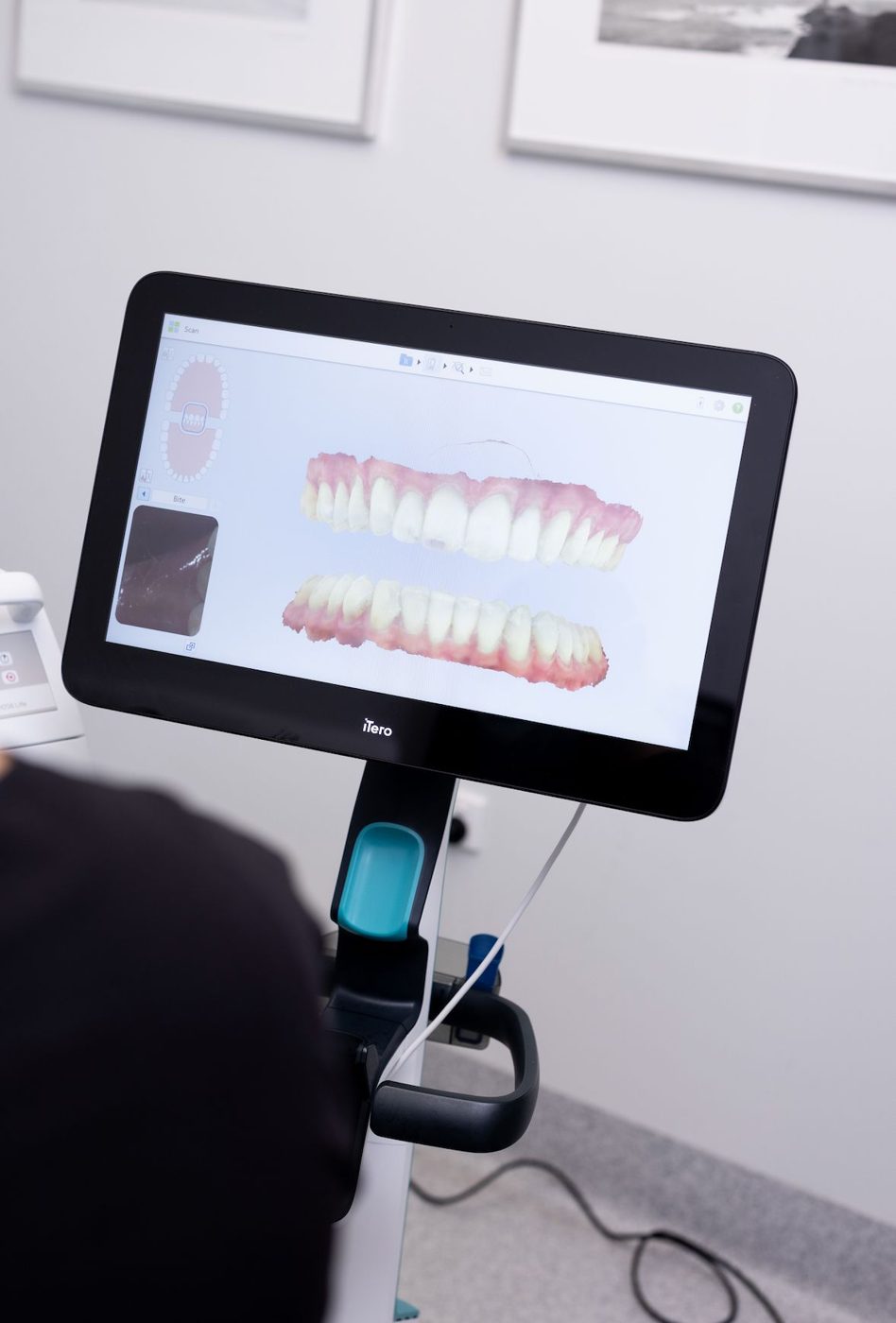
- Digital impressionAn impression is taken with iTero; a temporary filling is placed.
- LaboratoryThe inlay or onlay is custom-made for your tooth.
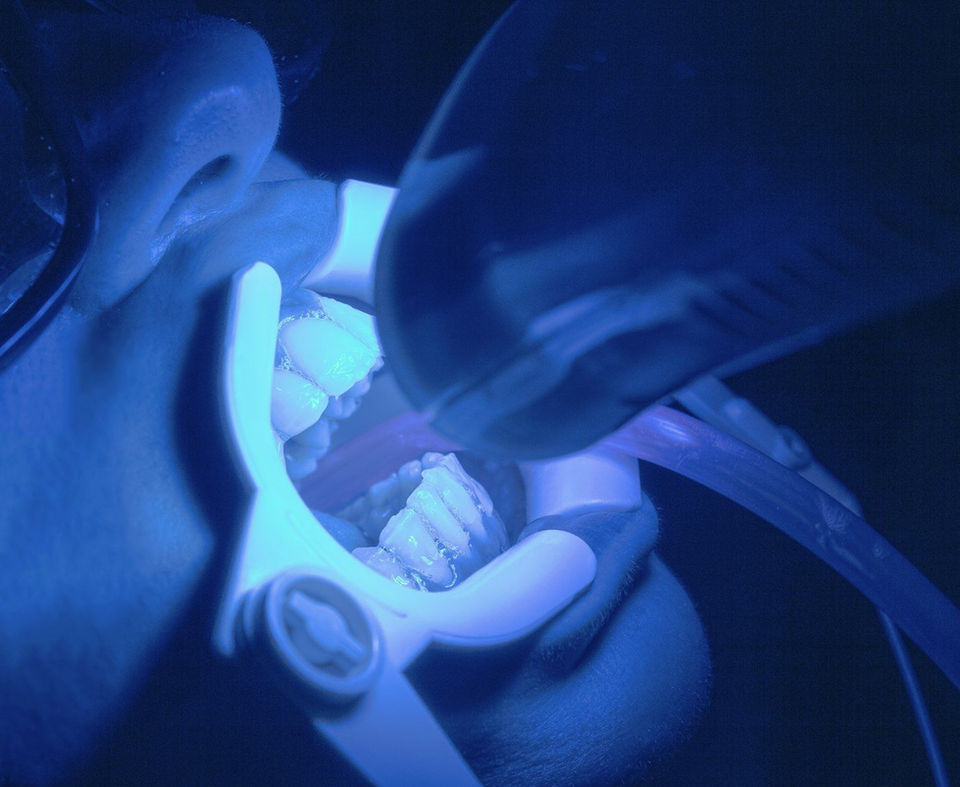
- BondingAfter the fit and bite are checked, the piece is bonded to the tooth.
Duration and number of visits vary from person to person.
Filling, inlay/onlay or crown?
| Regular filling | Inlay / onlay | |
|---|---|---|
| Where is it made? | In the mouth, in a single visit | In a laboratory, custom-made for the tooth |
| Suitable cavity | Small and medium-sized | Large cavities, cusp loss |
| Tooth reduction | Minimal | Less than for a crown |
| Visits | Single visit | Usually two visits |
Frequently asked questions
A short introduction to our clinic.
What is the difference between an inlay and an onlay?
An inlay fills the cavity inside the tooth, while an onlay also covers one or more cusps.
Inlay or crown?
If most of the tooth tissue is sound, an inlay or onlay can strengthen the tooth with less reduction; if the loss of structure is very extensive, a crown is recommended.
What material is used?
Mostly ceramics such as E.max, or composite; the choice depends on the position of the tooth and the bite.
Does it discolour?
Ceramic inlays and onlays usually do not discolour with drinks such as tea and coffee.
How long does it last?
It depends on oral hygiene, habits and regular check-ups; it can be used for many years.
Is it right for you? Let's talk at your examination.
We listen to your concerns and expectations, and after the examination we review the options together.