

What is a canker sore and what causes it?
A canker sore (aphthous ulcer) is a painful, round sore with a white-yellowish centre and a red border, found on the inside of the cheek, on the lip, on the tongue or on the gums. It is not contagious. Its exact cause is not always known; some conditions can make canker sores more likely.
- Biting the cheek, brushing too hard or a sharp tooth edge
- Rubbing from brace brackets or an ill-fitting denture
- Stress and tiredness
- Sensitivity to certain foods (acidic, spicy, hard foods)
- Conditions such as iron, vitamin B12 or folic acid deficiency
- Hormonal changes
What helps at home?
The following measures may help the sore become less irritated and the pain ease:
- Rinsing the mouth several times a day with warm salt water (half a teaspoon of salt in a glass of warm water)
- Using a soft-bristled toothbrush and brushing gently around the sore
- Choosing lukewarm or cool, soft and non-spicy foods
- Drinking plenty of water
- If you wear braces, putting orthodontic wax on the bracket that rubs
- Using a protective gel or mouthwash recommended by your pharmacist or doctor
What should you avoid?
Acidic fruit juices, pickles, hot and spicy foods, and hard, sharp-edged foods such as crisps can irritate the sore and increase pain. Applying aspirin, alcohol, baking soda or cologne directly to the sore can burn the tissue; avoid these practices.
Sores from braces and dentures
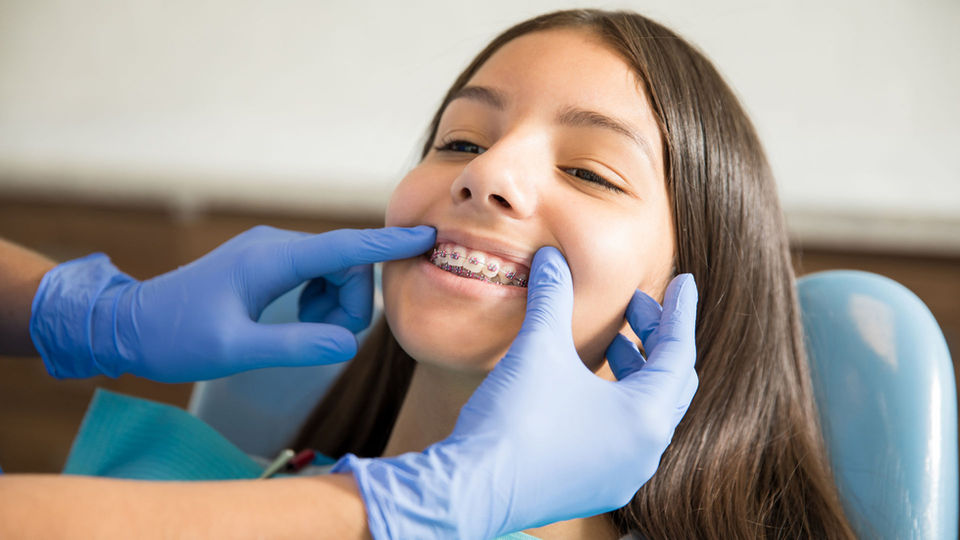
When braces are first fitted or adjusted, rubbing sores on the inside of the cheek are common and often decrease within 1–2 weeks as the mouth gets used to them. If a wire end is poking or a denture edge is pressing, the sore will not heal; in that case the wire or denture should be adjusted at the clinic.
When should you see a dentist?
Have an examination without waiting in the following cases:
- A sore that does not heal within two weeks
- A very large sore or many sores
- Frequently recurring canker sores
- Fever, weakness or swelling in the neck
- A painless, hardened sore or one with irregular edges
- Pain severe enough to prevent eating and drinking
What happens at the examination?
The location, appearance and duration of the sore are assessed; if a tooth, filling, wire or denture edge is irritating the sore, it is corrected. For frequently recurring canker sores, you may be referred to your doctor for blood tests. Sores lasting more than two weeks are examined further to rule out other conditions.
This article is for general information only; it does not replace an examination, diagnosis or treatment. Consult your doctor or pharmacist before taking any medication.
What helps at home? Guide series
- What helps mouth ulcers (canker sores)? What you can do at home and when to see a dentist
- What helps a tooth infection? What you can do until you see a dentist
- What helps gum inflammation (gingivitis)? Home care and treatment at the clinic
- What helps a tooth abscess? What you can do at home and emergency signs
- What helps sensitive teeth? What you can do to reduce tooth sensitivity
 GUIDEInvisalign vs braces: 7 differences
 DAILY USEHow to clean Invisalign aligners
 PROCESSWhat you feel in the first week of Invisalign