

Why do teeth become sensitive?
The outer layer of the tooth is covered by enamel and the root surface by cementum. When these layers wear away or the gums recede, the underlying dentin layer is exposed. The tiny channels in the dentin carry hot, cold, sweet and sour stimuli to the nerve, and a brief, sharp pain is felt.
- Receding gums
- A hard toothbrush or brushing too hard
- Acidic drinks and foods
- Teeth clenching and grinding
- Decay, a fracture or leakage at the edge of a filling
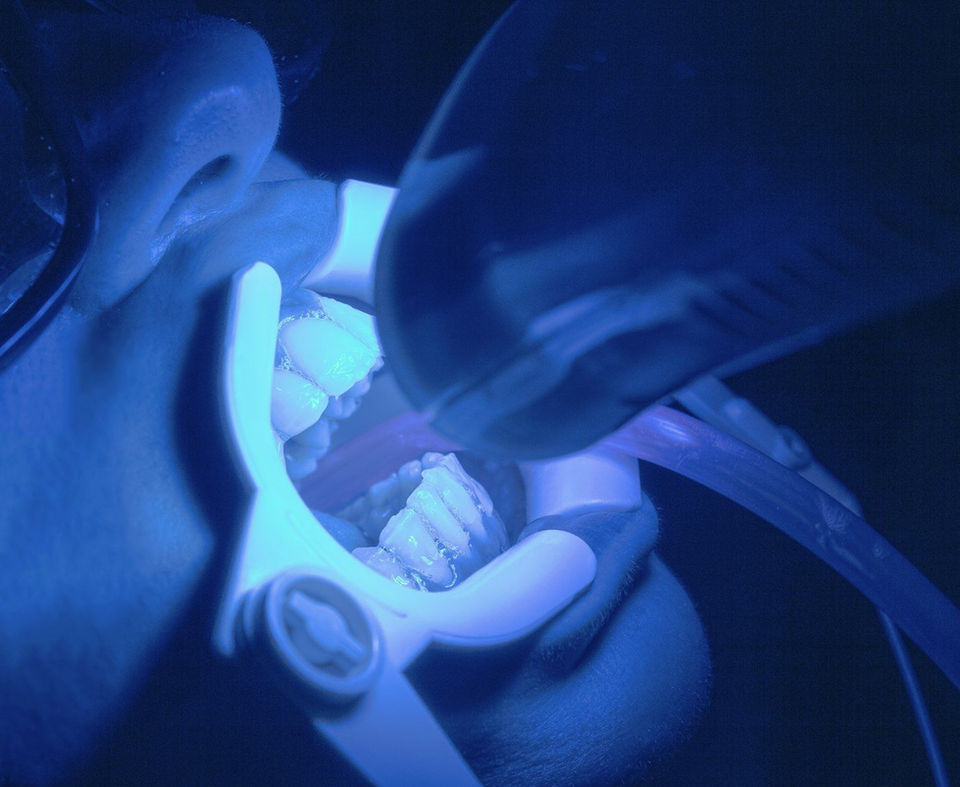
- Temporary sensitivity after whitening or tartar removal
What helps at home?
The following measures can help reduce sensitivity:
- Using a toothpaste made for sensitive teeth regularly; its effect usually becomes noticeable within a few weeks
- Brushing with a soft-bristled toothbrush and gentle, circular movements
- Waiting about 30 minutes after acidic drinks instead of brushing straight away
- Cutting down on very hot and very cold foods and drinks for a while
- If you clench your teeth, asking your dentist about a night guard
Which kind of pain is not normal?
Pain that goes away within a few seconds once the stimulus is removed is often sensitivity. In the following cases, however, an examination is needed:
- Pain that lingers after the stimulus
- Pain that starts on its own or wakes you at night
- Increasing sensitivity in a single tooth
- Pain when biting
- Swelling in the gum
What is done at the clinic?
First, the cause of the pain is found. Desensitising treatments or fluoride can be applied to exposed root surfaces; worn areas can be covered with fillings. If gum recession is advanced, a gum graft may be discussed, and if you clench your teeth, a night guard. If there is decay or a leaking filling, it is treated.
Related pages
This article is for general information only; it does not replace an examination, diagnosis or treatment. Consult your doctor or pharmacist before taking any medication.
What helps at home? Guide series
- What helps mouth ulcers (canker sores)? What you can do at home and when to see a dentist
- What helps a tooth infection? What you can do until you see a dentist
- What helps gum inflammation (gingivitis)? Home care and treatment at the clinic
- What helps a tooth abscess? What you can do at home and emergency signs
- What helps sensitive teeth? What you can do to reduce tooth sensitivity
 GUIDEInvisalign vs braces: 7 differences
 DAILY USEHow to clean Invisalign aligners
 PROCESSWhat you feel in the first week of Invisalign