
How is a conventional impression taken?
In the conventional method, an impression tray is filled with a soft impression material and pressed onto the teeth. You wait a few minutes until the material hardens, and then the tray is removed. A plaster model is cast from the impression and sent to the laboratory.
How is a digital scan taken?
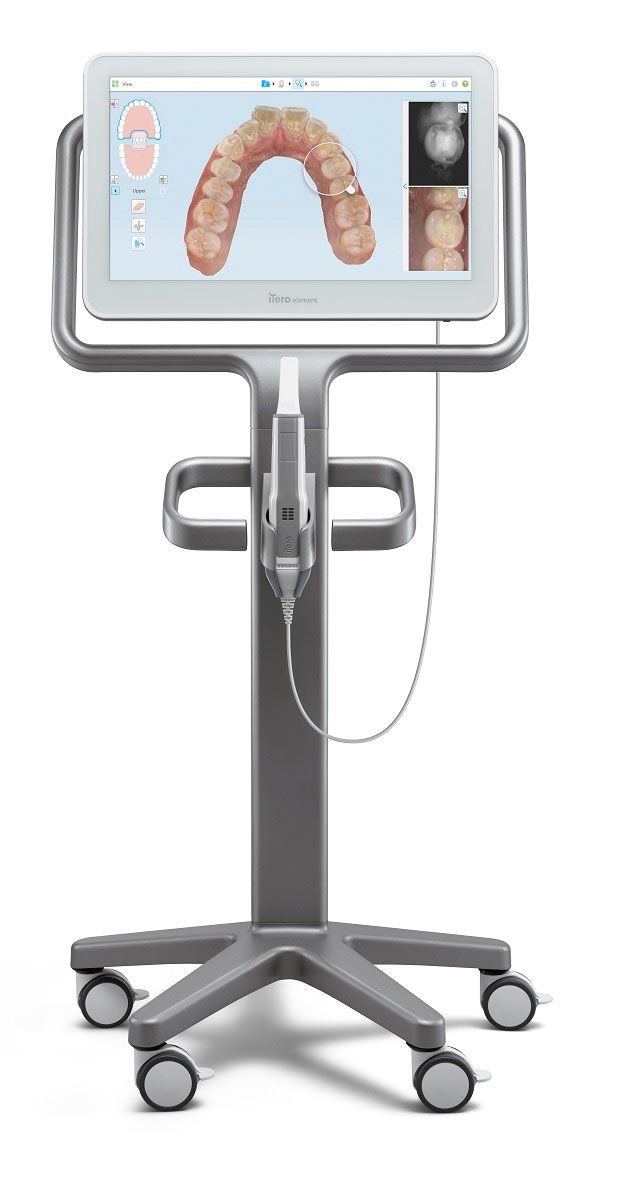
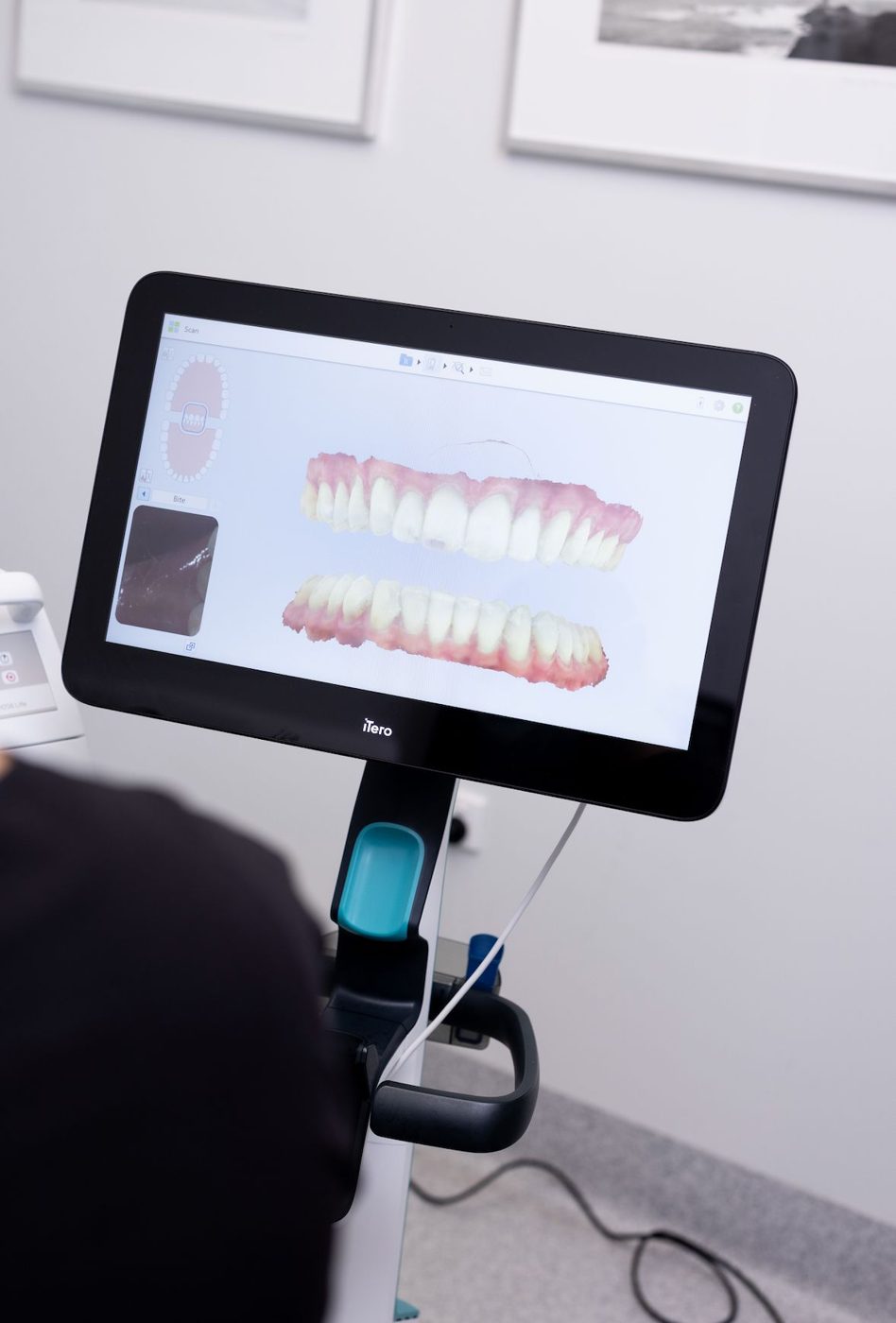
In a digital scan, a pen-sized scanner tip is moved over the teeth. The scanner combines the images to create a 3D model. The model is visible on the screen immediately and is shared digitally.
Comparison
The main differences between the two methods from the patient's point of view:
- Comfort: in a digital scan, the mouth is not filled with paste
- Gag reflex: paste can cause a gagging sensation in some people; this is less common with scanning
- Seeing the result: you can view your digital model on the screen right after the scan
- Retakes: if an area is missing, only that area is rescanned
- Storage: the digital model is stored without deteriorating and can be compared with later check-ups
Is impression paste still used?
Yes. Conventional impressions may also be used in some prosthetic work or in specific cases where the dentist prefers them. Which method is suitable is decided at the examination, according to the treatment to be carried out.
For people with a strong gag reflex
For many people who gag during impressions, a digital scan is a more comfortable option. Breaks can be taken during the scan, and the scanner tip works without approaching the throat area.
More articles about iTero
- How is a digital impression taken with iTero? A step-by-step scan
- Impression paste or digital scan? Differences and advantages
- Invisalign simulation with iTero: can you see the result in advance?
- Who is an iTero scan suitable for? Children, gag reflex, implants and prostheses
- Monitoring changes in your teeth with digital scanning
 GUIDEInvisalign vs braces: 7 differences
 DAILY USEHow to clean Invisalign aligners
 PROCESSWhat you feel in the first week of Invisalign